Organic Growth
FMCG CEOs: How Small Brands Grow - A Replicable Approach to Efficiently Start & Scale Brands

Author | Managing Director & Partner @ FFA
“Luck is what happens when preparation meets opportunity” - Seneca
“Excellence is never an accident. It is always the result of high intention, sincere effort, and intelligent execution.” - Aristotle
“Risk comes from not knowing what you’re doing” - Warren Buffett
The objective of this publication is to propose a replicable & efficient approach to start-up/ scale-up brands (minimizing cash-burn, time & overall risks)
It is backed by the analysis of $30 Trillion RSV in the US over 2000-24 & more than 1500 small brands
If the priorities remain for the world largest FMCG companies to accelerate growth on their billionaire brands, they need to master the brand start-up/ scale-up playbook to maximize value creation on their smaller brands & past acquisitions
The value at stake (>$100bn in their balance sheet at acquisition value) justifies it
Especially in the current context of increasing cost/ difficulty to grow & return of the growth gap for the world largest FMCG companies
Enjoy the read. Exciting times
Here are is a summary in 13 key messages:
Key message #1: after all the hype around small brands over the last decade, we see the need to reflect on How Small Brands Grow (HSBG) for at least five reasons:
Objectively, a literature/ research gap on how small brands grow ('How Brands Grow' over-focuses on large brands & neglect the critical point regarding resources constraints - few among many of its limitations)
High failure rate in start-ups but also in scale-ups, incl. post-acquisition by large FMCG companies with high value at stake (>$100bn of small brands assets sitting in top 50 FMCG companies balance-sheet)
Continuously lowering barriers-to-entry (ecommerce, social media, contract manufacturers…) provide increasing opportunities for small brands to compete with incumbents (not only true in NA/ EU but also increasingly in Emerging Markets) (cf
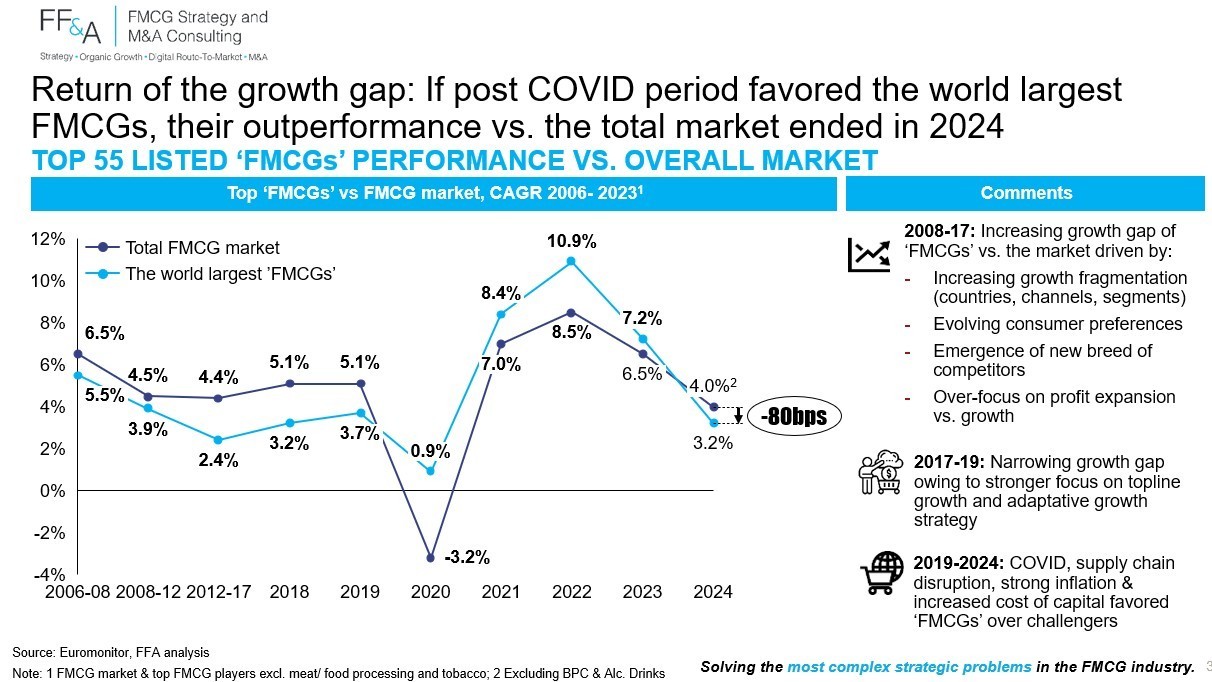
Increasing growth fragmentation (country/channel/category/consumer segments) requiring FMCG companies to increasingly start-up new value propositions & diluting incumbents market share (cf. the return of the growth gap in 2024 for the world largest FMCG companies)
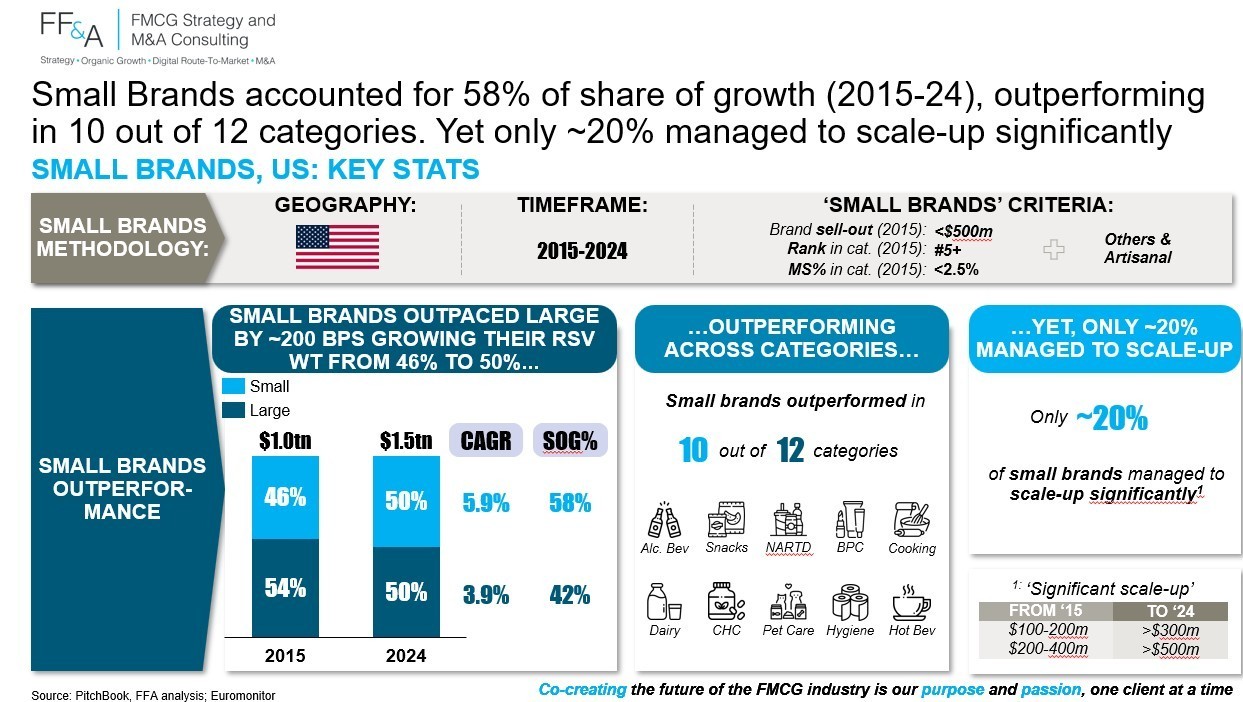
More darwinistic environment for brand starters (harder to raise investments/ access budget, more cash-constrained consumers…) calling for effective/ efficient approach (cash, time, risk adjustment) to start/ scale brands
Key message #2: To approach HSBG, we extensively analysed 24 years of US sell-out data amounting to >30 Trillion USD & reviewed in-depth the top winners & losers:
We focused on the US & reviewed 1500 brands over 2000-2024 across 20 categories
We selected some of the 10 most successful FMCG brands start-ups (started after 2000 & exceeded the $500m RSV mark by 2024) representing most of the key categories to dissect their success drivers
We also reviewed the top 10 most public failure brands start-up cases to understand what went wrong
What we learnt is that there was no standard/ one-size-fits-all path to success but there were rather commonalities & a real opportunity to 'stitch-up' all key learnings (from successes & failures cases) and 'package' them into a simple yet actionable framework to industrialize HSBG with the objective to maximize success rate & minimize resources (cash-burn/ time)
Key message #3: The aim of the HSBG framework is to build a replicable & efficient approach (minimizing cash, time & overall risks) to start-up/ scale-up brands
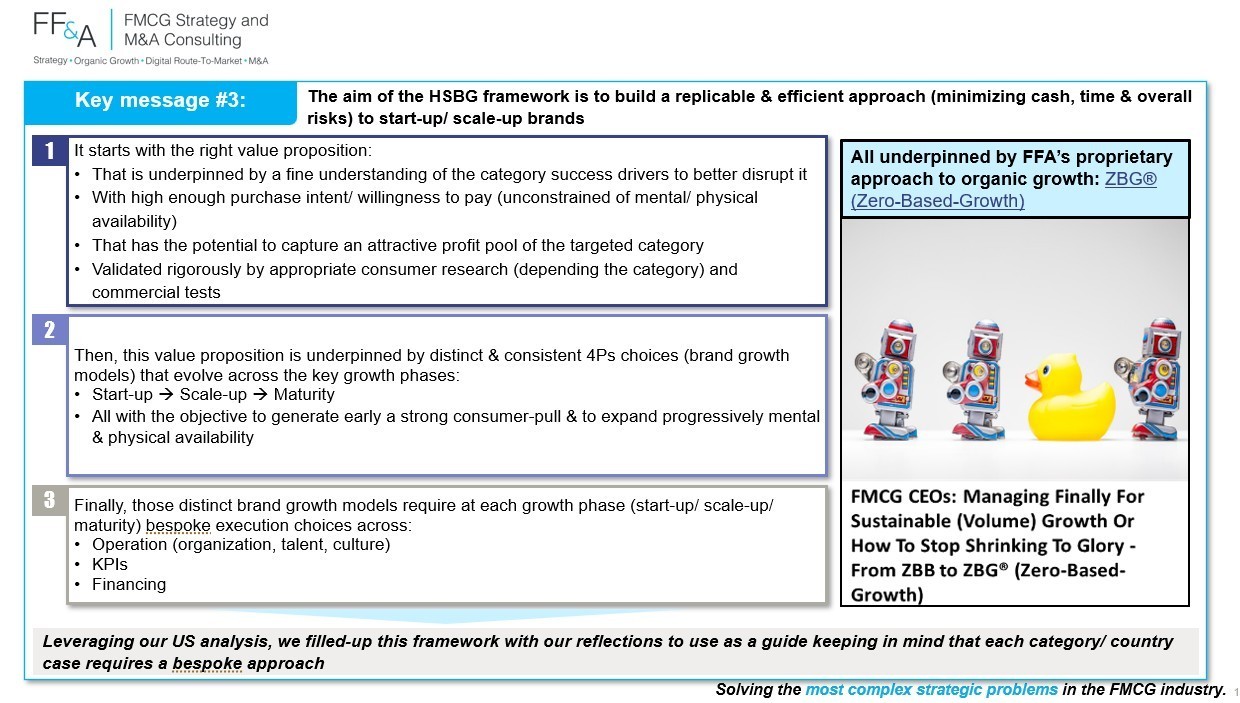
It starts with the right value proposition:
With high enough purchase intent/ willingness to pay (unconstrained of mental/ physical availability)
That has the potential to capture an attractive profit pool of the targeted category
That is underpinned by a fine understanding of the category success drivers to better disrupt it
Validated rigorously by appropriate consumer research (depending the category) and commercial tests
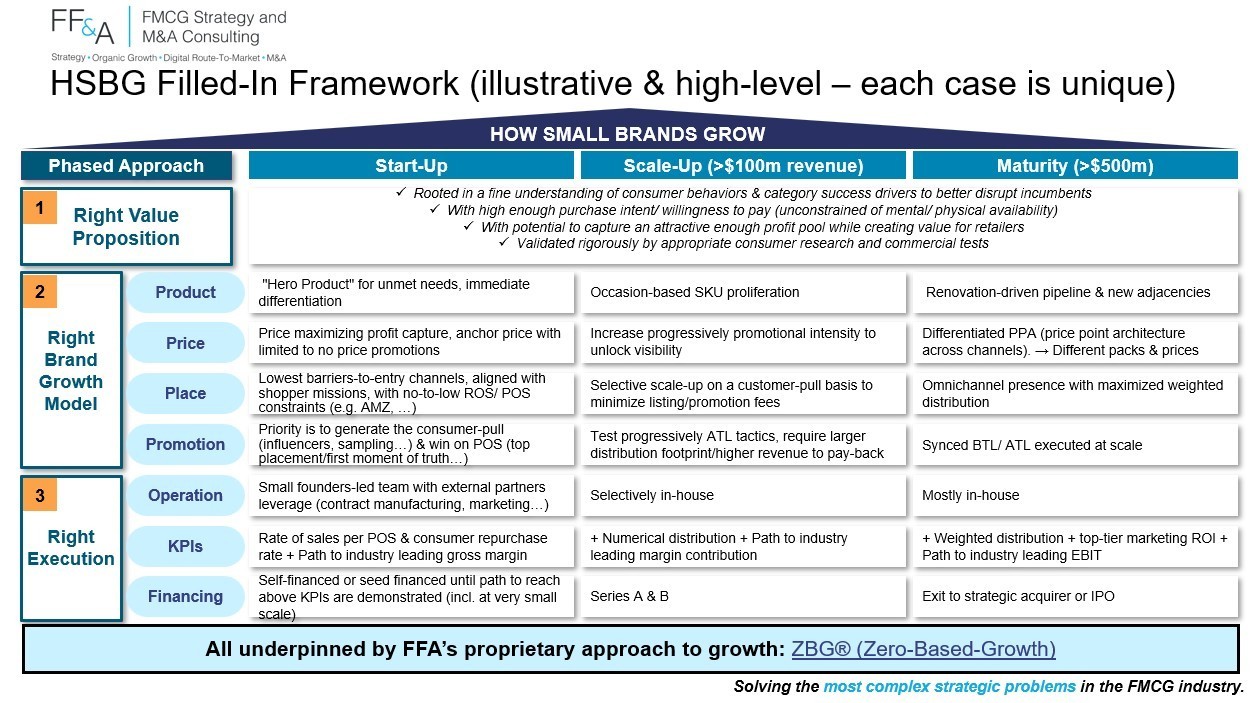
Then, this value proposition is underpinned by distinct & consistent 4Ps choices (brand growth models) that evolve across the key growth phases:
Start-up
Scale-up
Maturity
All with the objective to generate early a strong consumer-pull & to expand progressively mental & physical availability
Finally, those distinct brand growth models require at each growth phase (start-up/ scale-up/ maturity) bespoke execution choices across:
Operation (organization, talent, culture)
KPIs
Financing
Leveraging our US analysis, we filled-up this framework with our reflections to use as a guide keeping in mind that each category/ country case requires a bespoke approach:

Here are below the ten success cases we developed that led to the elaboration of the above framework:
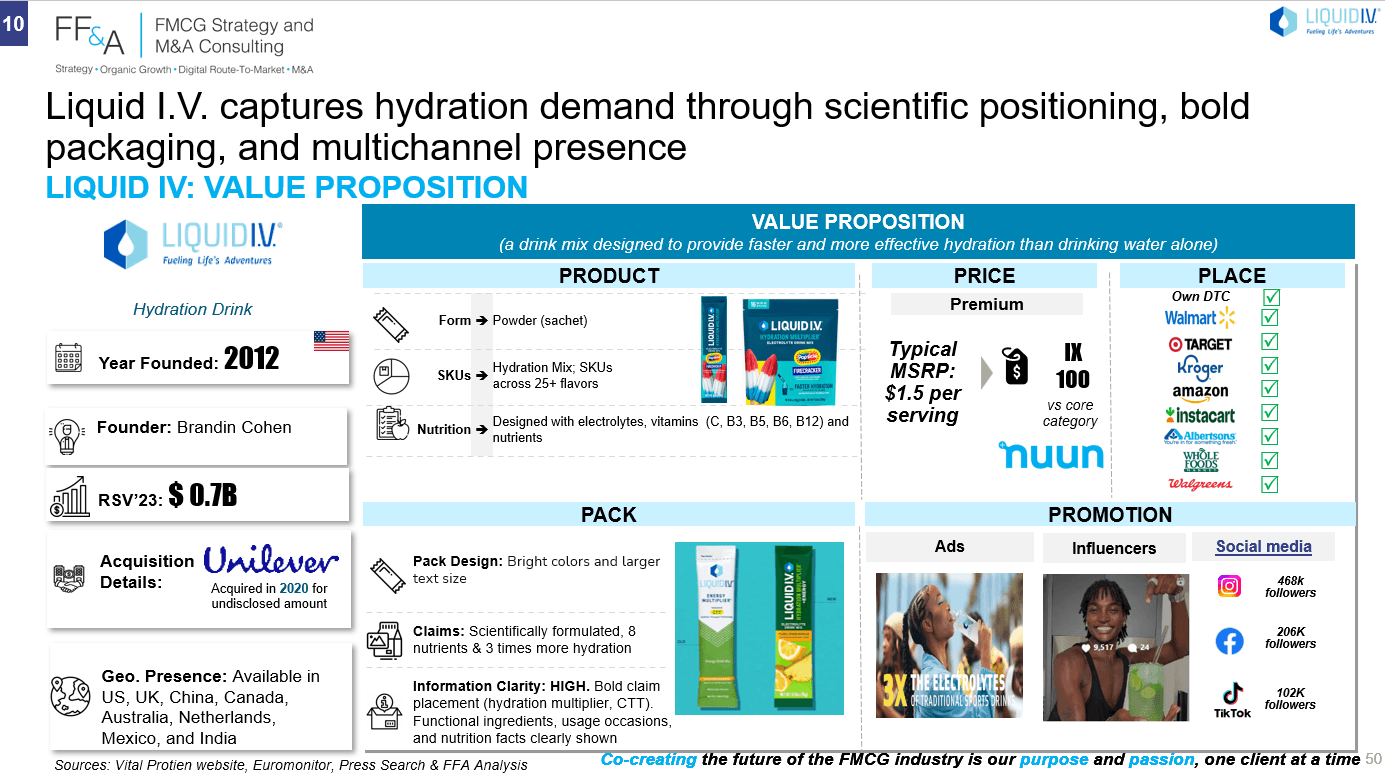
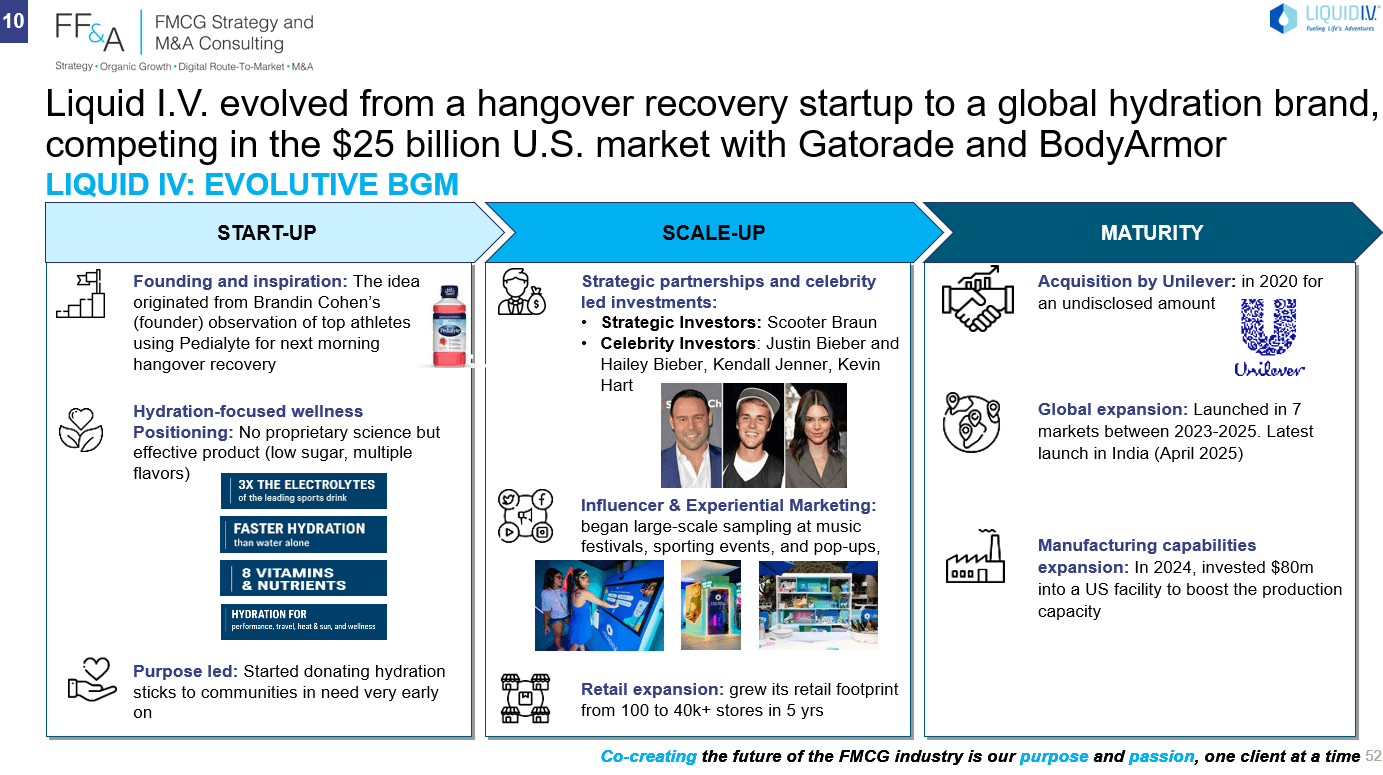
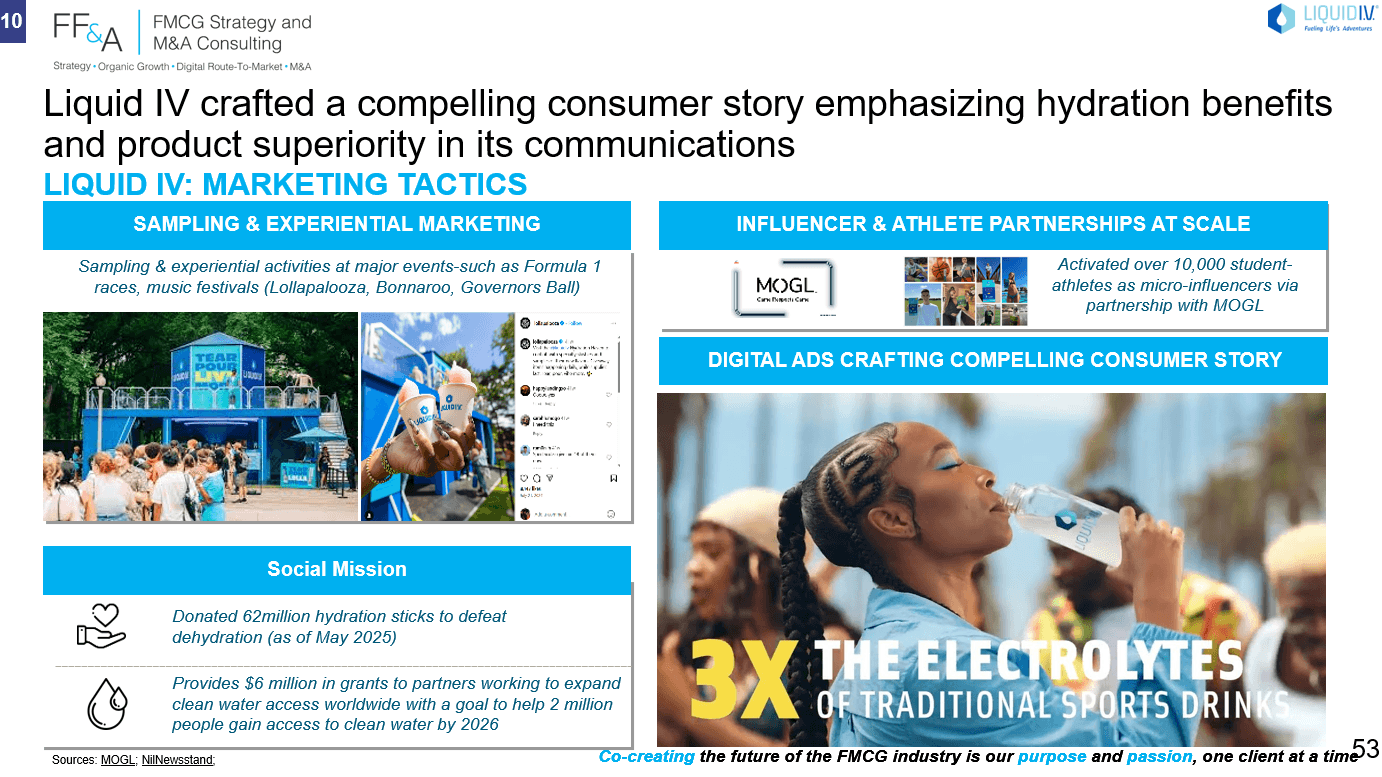
Key message #4: Liquid IV – the VMS/ sport hydration juggernaut that is on track to become the first $1bn VMS brand in FMCG history
Started as anti-hangover solution
Disrupting then the sport hydration category (>$10bn RSV in the US) with clear USPs (hydrate x2 than water, x3 more electrolytes than traditional sport hydration brands), differentiated product form, bold packaging colours, exciting/ tasty flavours & well-oiled influencers marketing generating consumer-pull
Flawless omnichannel execution (from Cash & Carry/ Clubs through Amazon/DTC to retail) with differentiated PPAs
Acquired by Unilever in 2020 & on track to become the first VMS brand to exceed the $1bn mark

Key message #5: Chobani - one of our favourite cases as it has it all:
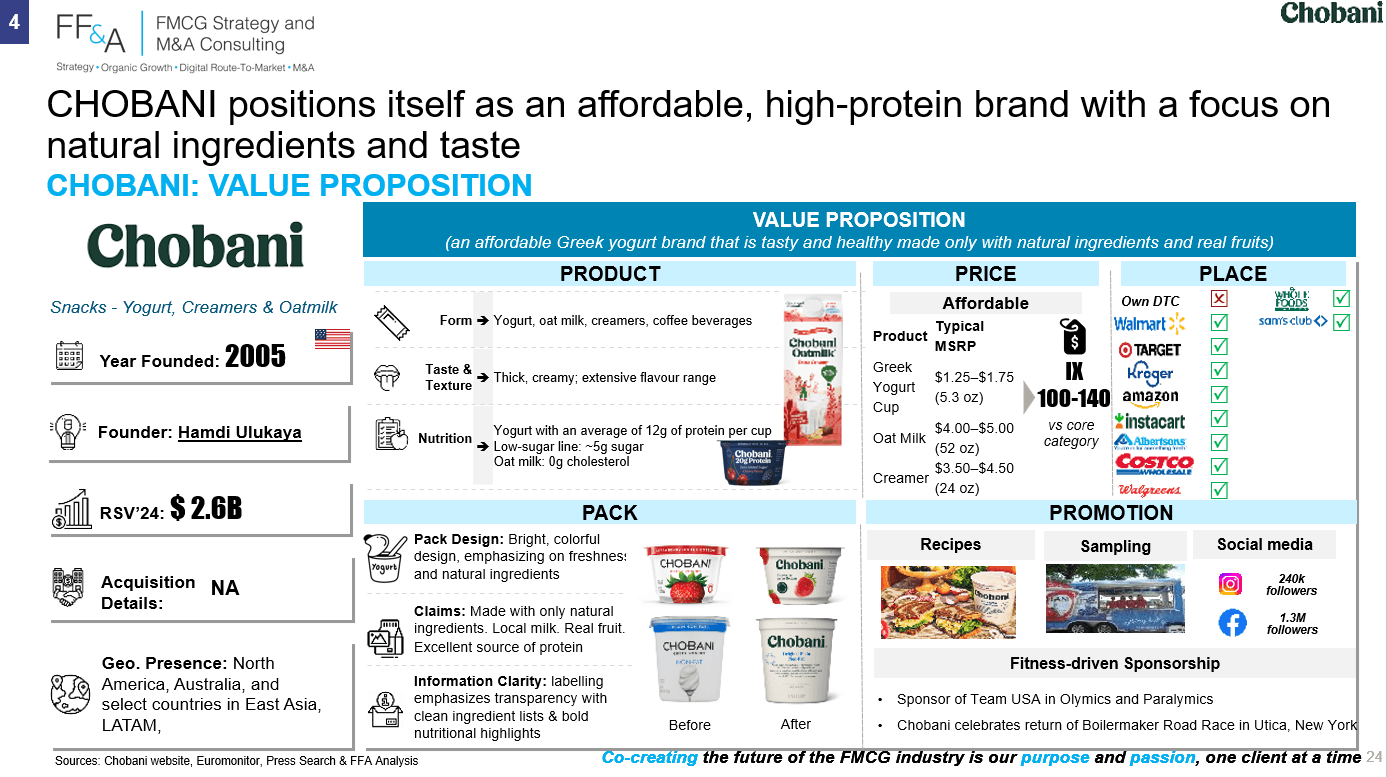
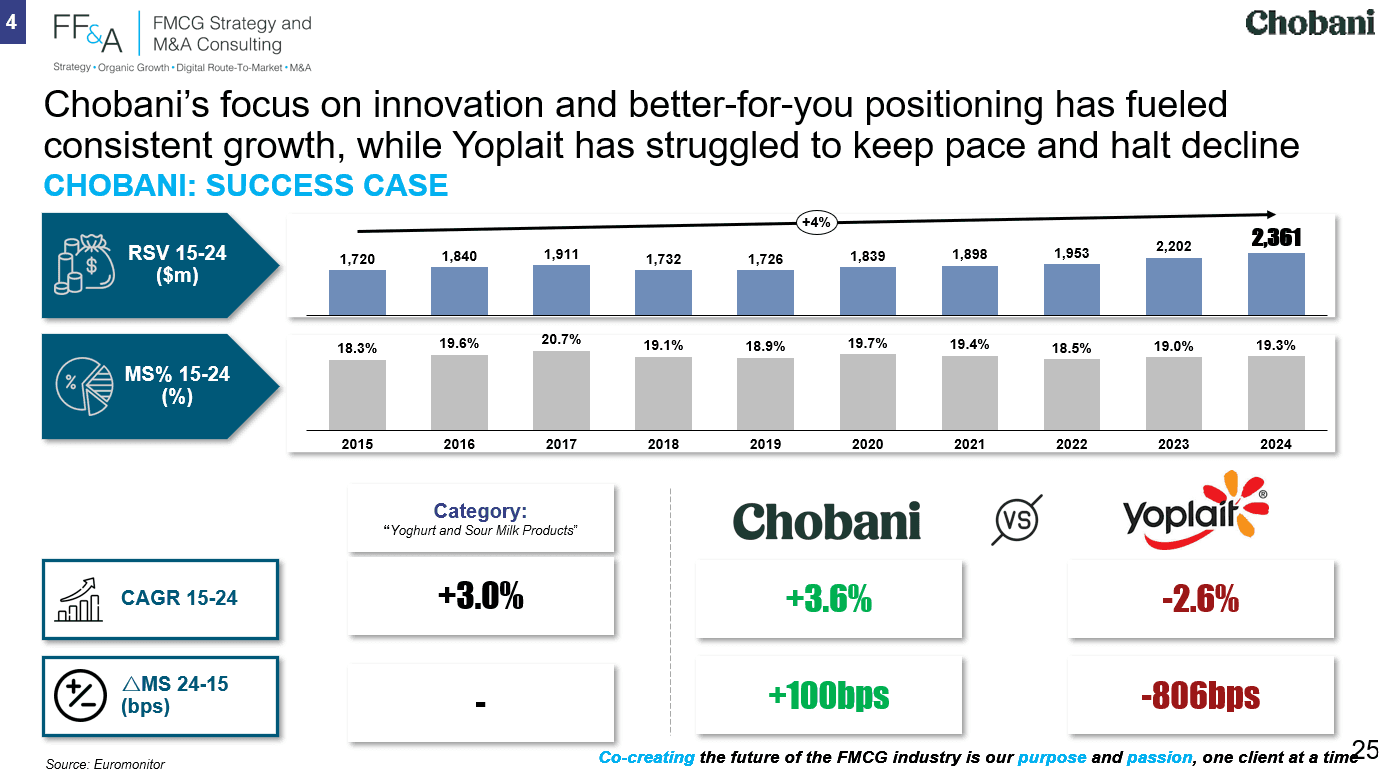
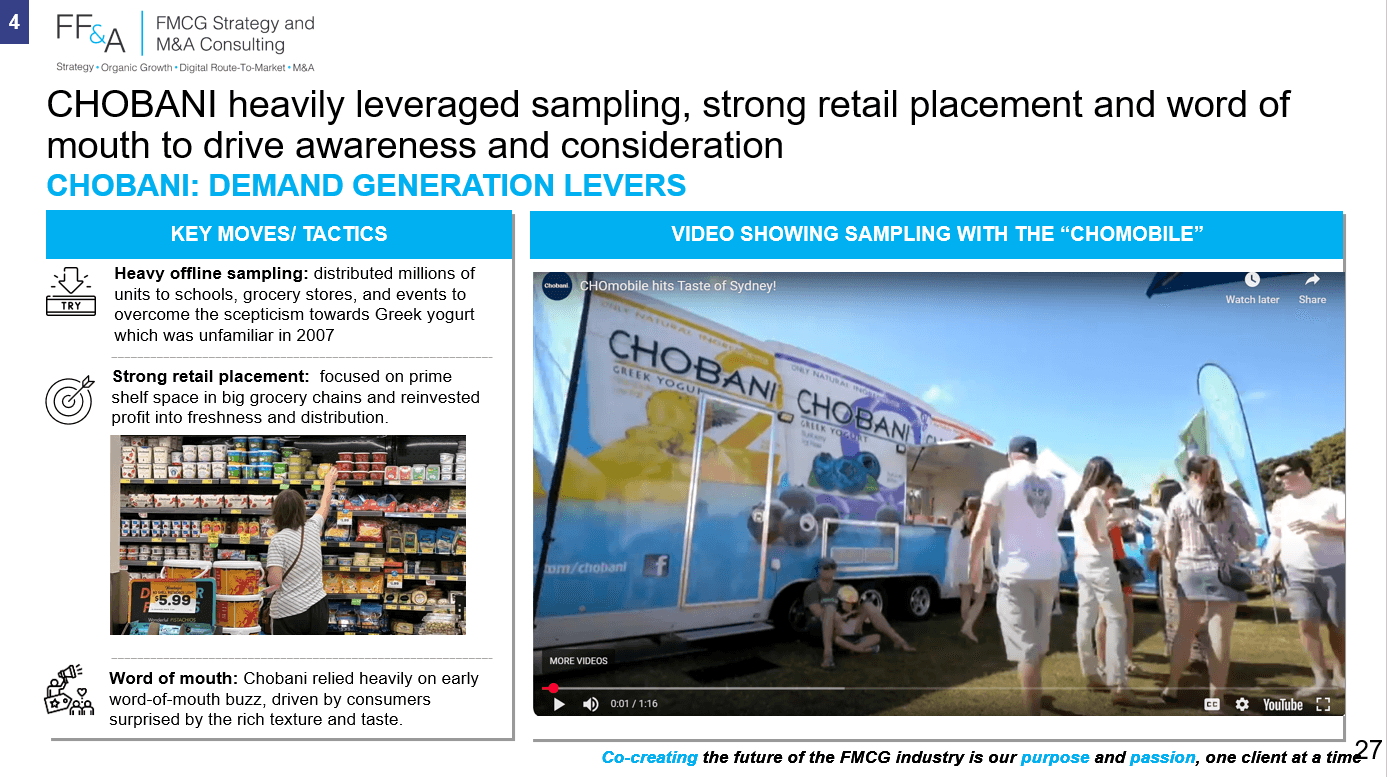
Fastest company to reach the $1bn revenue mark in the FMCG industry history ($2.4bn RSV in the US in 2024)
A value proposition reconciling the food triangle dilemma (tasty, healthy, affordable)
A careful yet audacious start-up/ scale-up/ maturity execution with the $750m investment in the Idaho plant 7 years after start-up, topped up by another $500m investment in 2025
A masterclass in FMCG disruption of what remains one of the highest barriers-to-entry category (EDP) owing to low margin, low ROCE & high capital intensity
Still independent & led by a visionary founder, Hamdi Ulukaya, that is now entering new verticals through M&A (La Colombe Coffee, Daily Harvest frozen food)

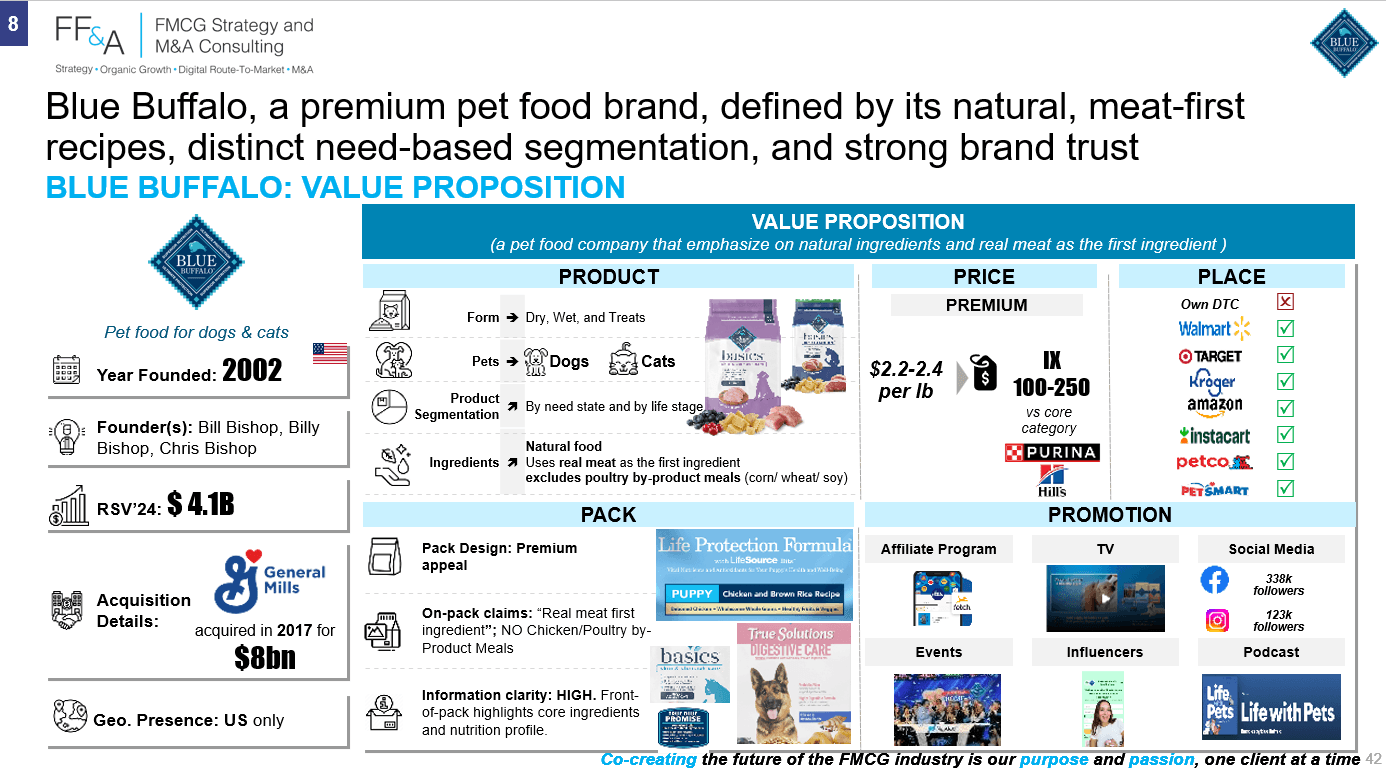
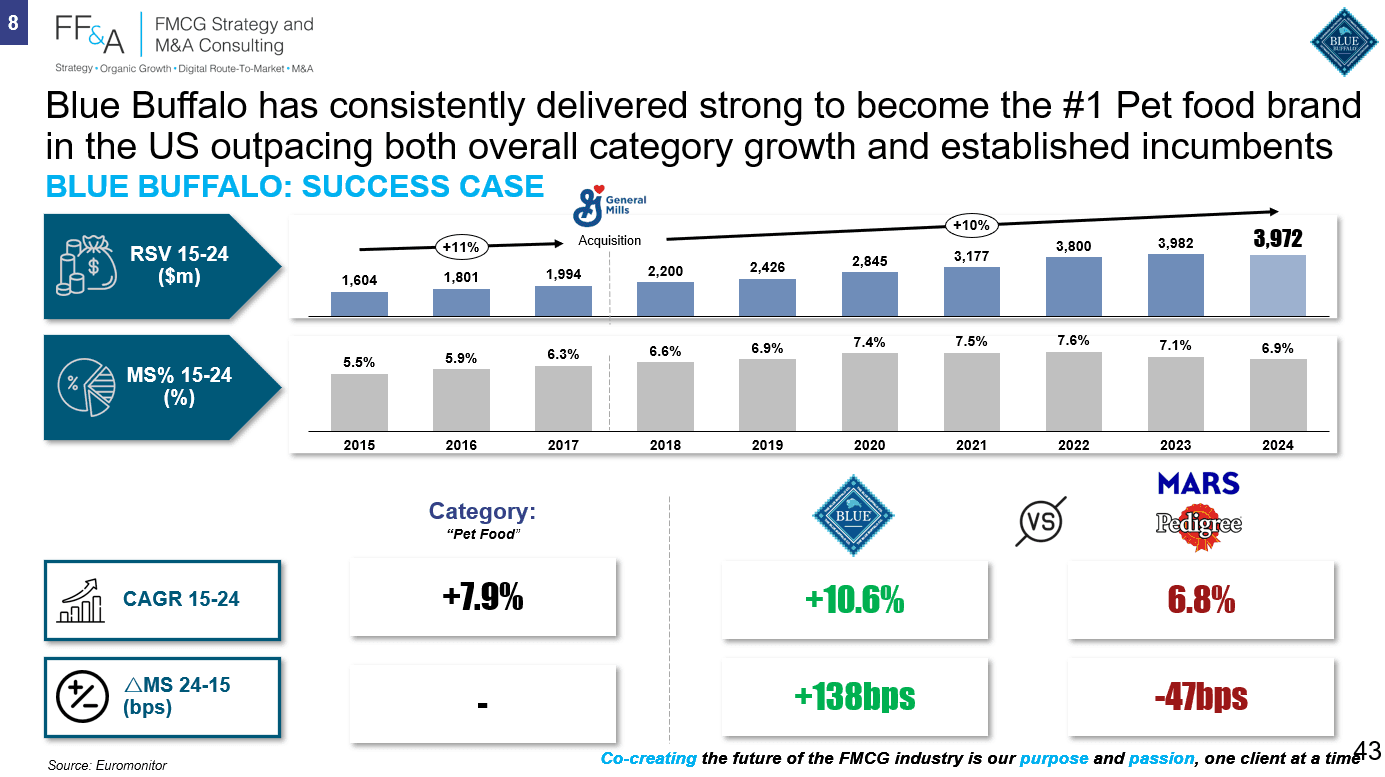
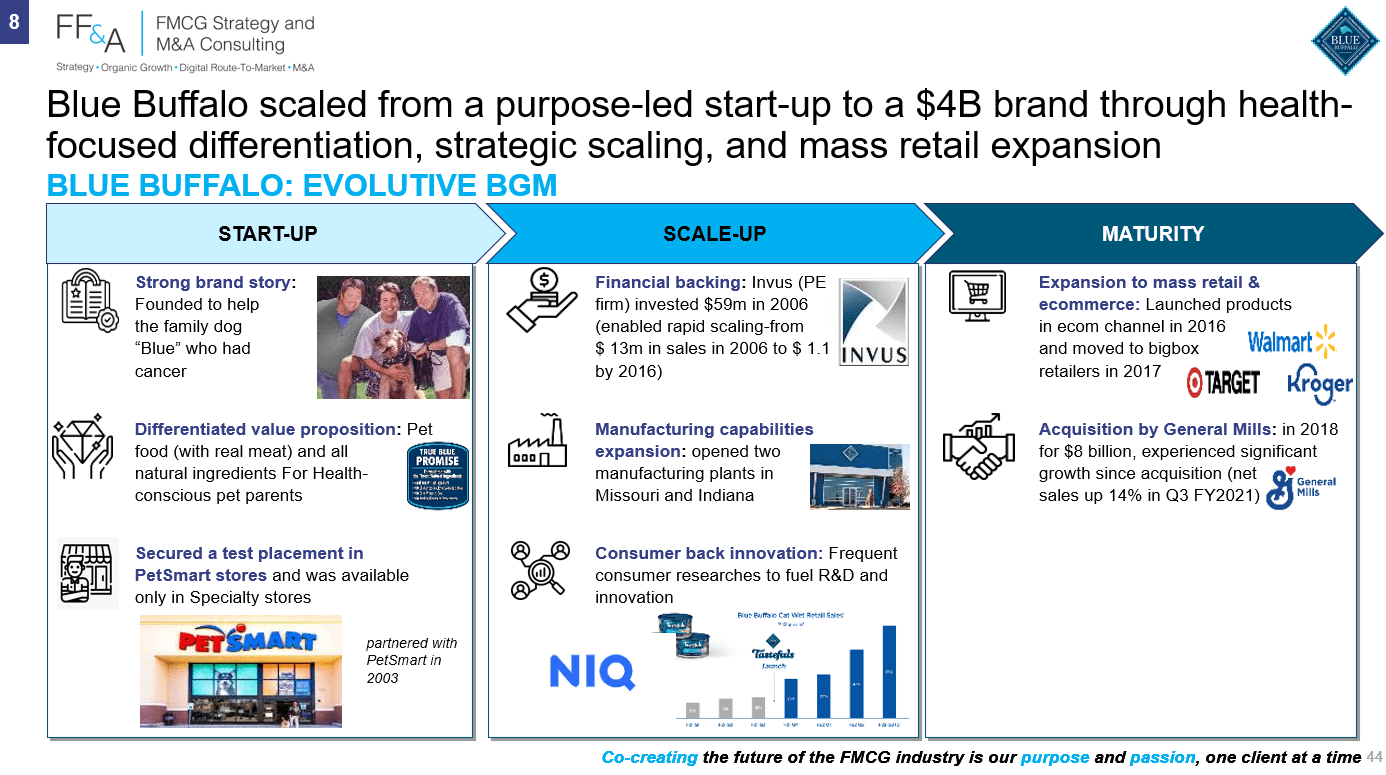
Key message #6: Blue Buffalo: the petfood rocket started in 2004 and that reached $3.9bn RSV in the US in 2024
Pioneered BFY on ambient petfood at an affordable premium (vs. advanced nutrition brands)
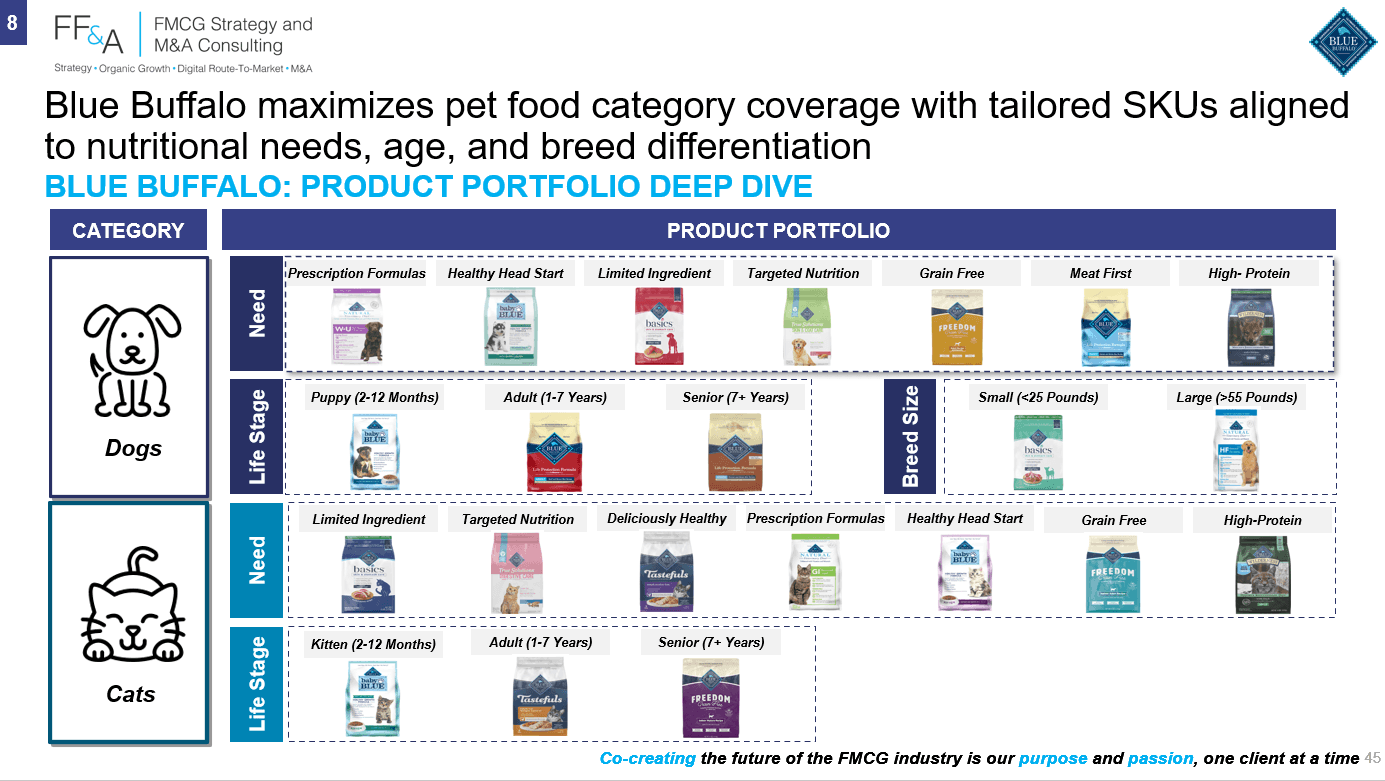
Full BFY playbook (clean labels/ packaging, influencer/ KOL/ HPC marketing, selective distribution, life stage & need state-based SKU proliferation)
Acquired in 2017 by General Mills ($2bn RSV) which doubled its RSV in 7 years
In the top 10 of the best ROCE M&A transactions in the FMCG industry since 2000
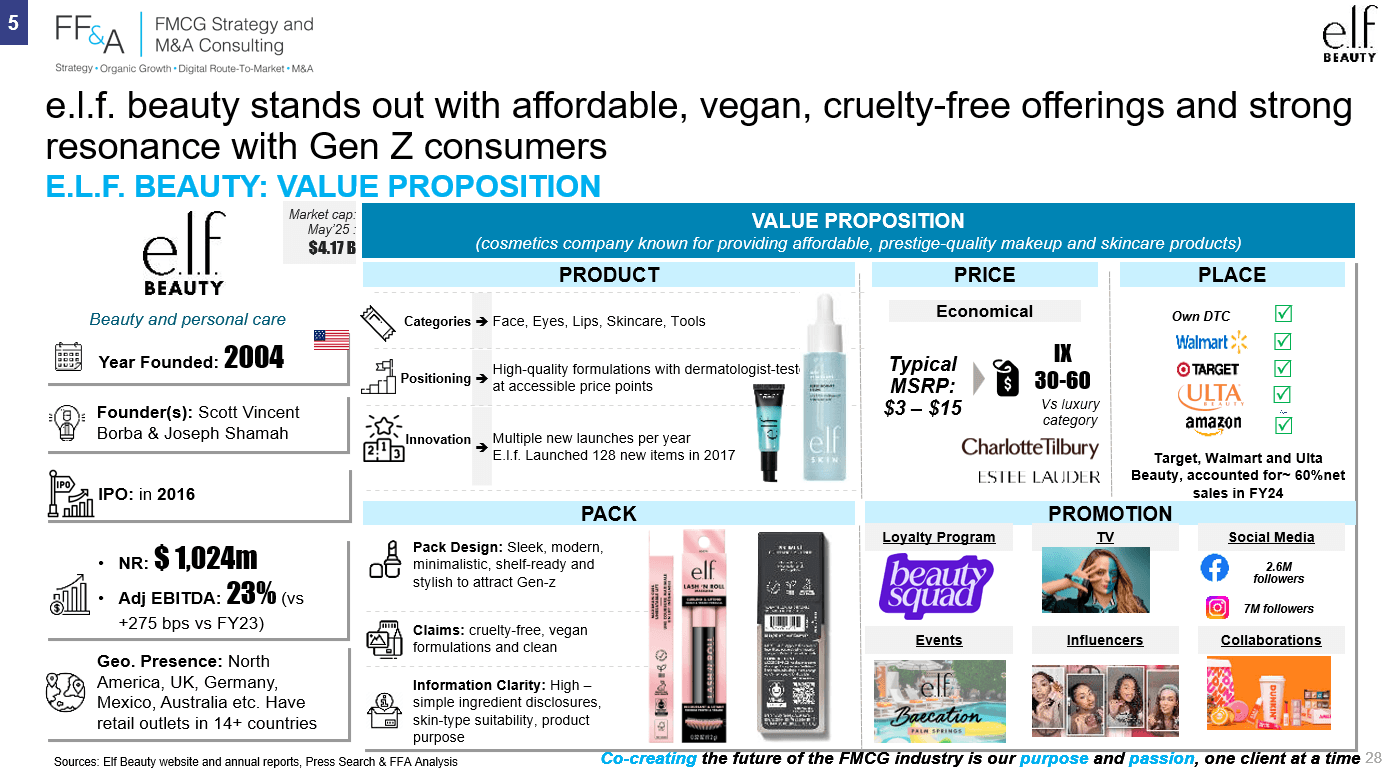
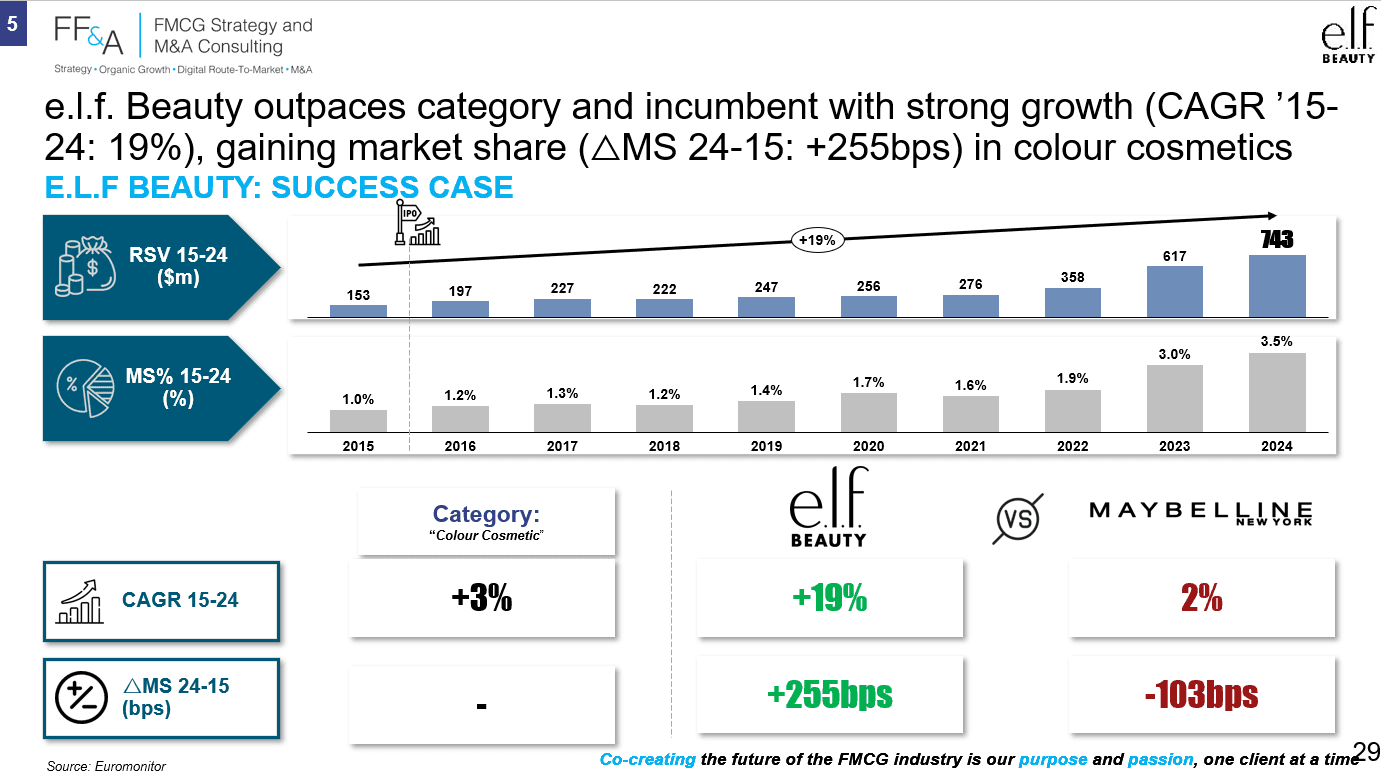
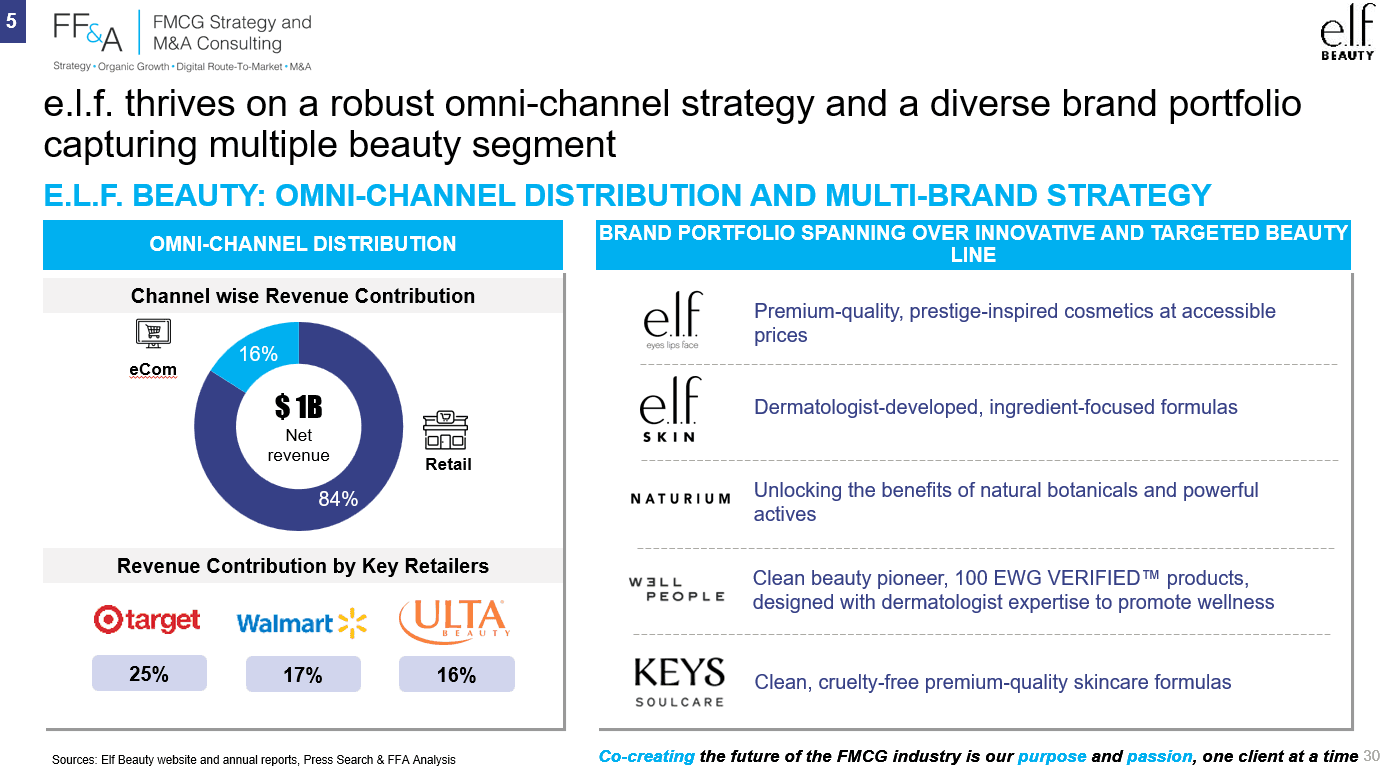
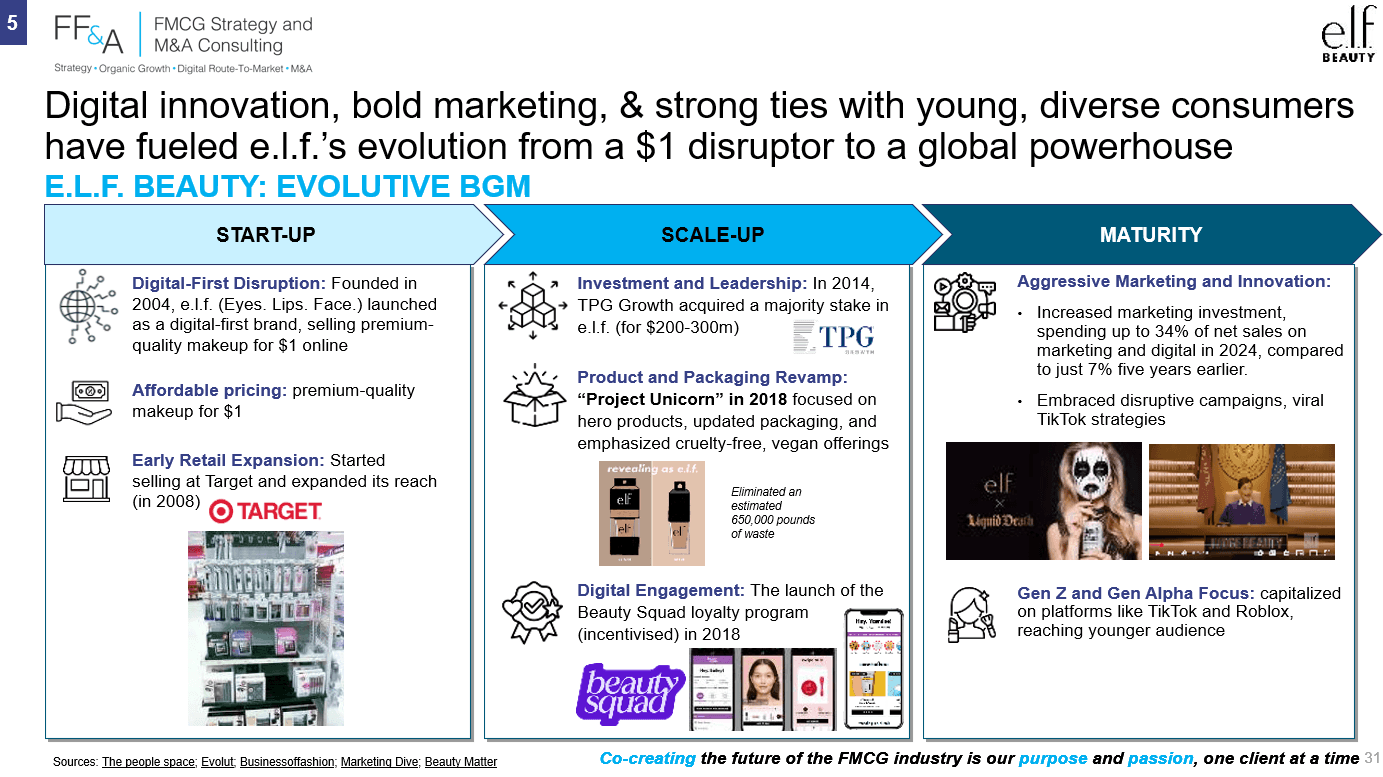
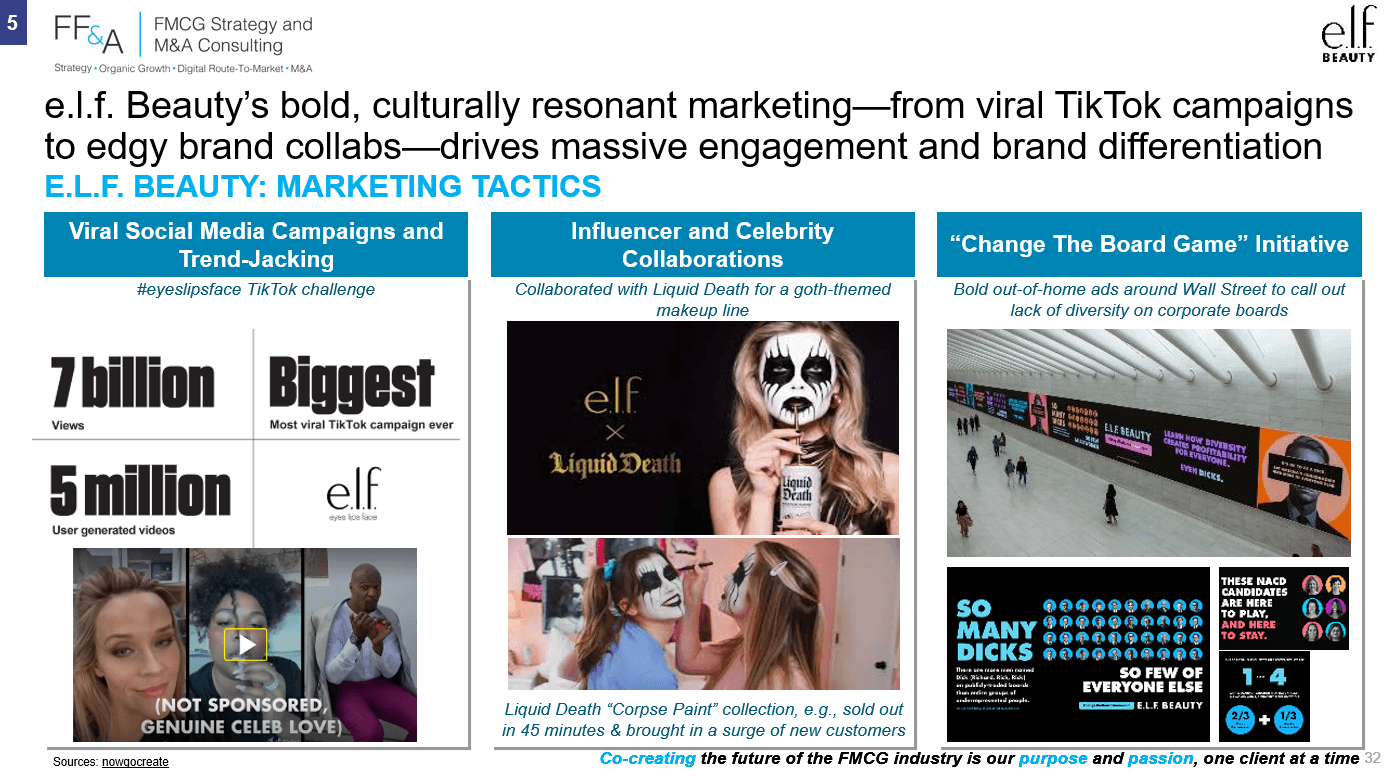
Key message #7: E.L.F: giving it all (low price, high quality, clean labels, desirable packaging/ marketing)
Likely the most successful independent beauty start-up/ scale-up over the last two decades
Founded in 2004, IPOed in 2016, just crossed the $1bn mark
Master at ‘duping’ masstige/ prestige beauty brands & creating desirability at scale with its social media machine & balanced omnichannel GTM (retail, ecom, DTC)
Market cap now nears the $7bn mark
Recently acquired Rhode beauty for $1bn
Key message #8: KIND – the bar disruptor/ better-for-you pioneer:
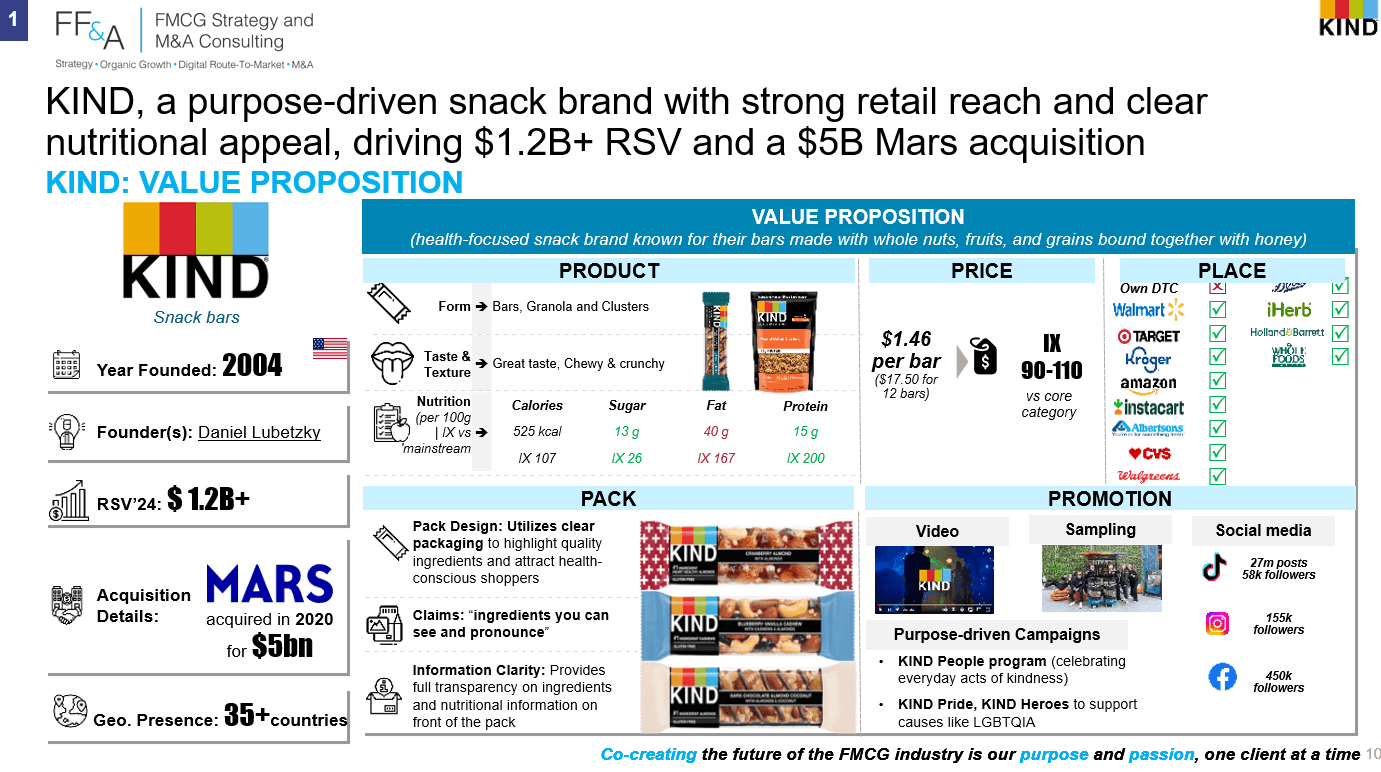
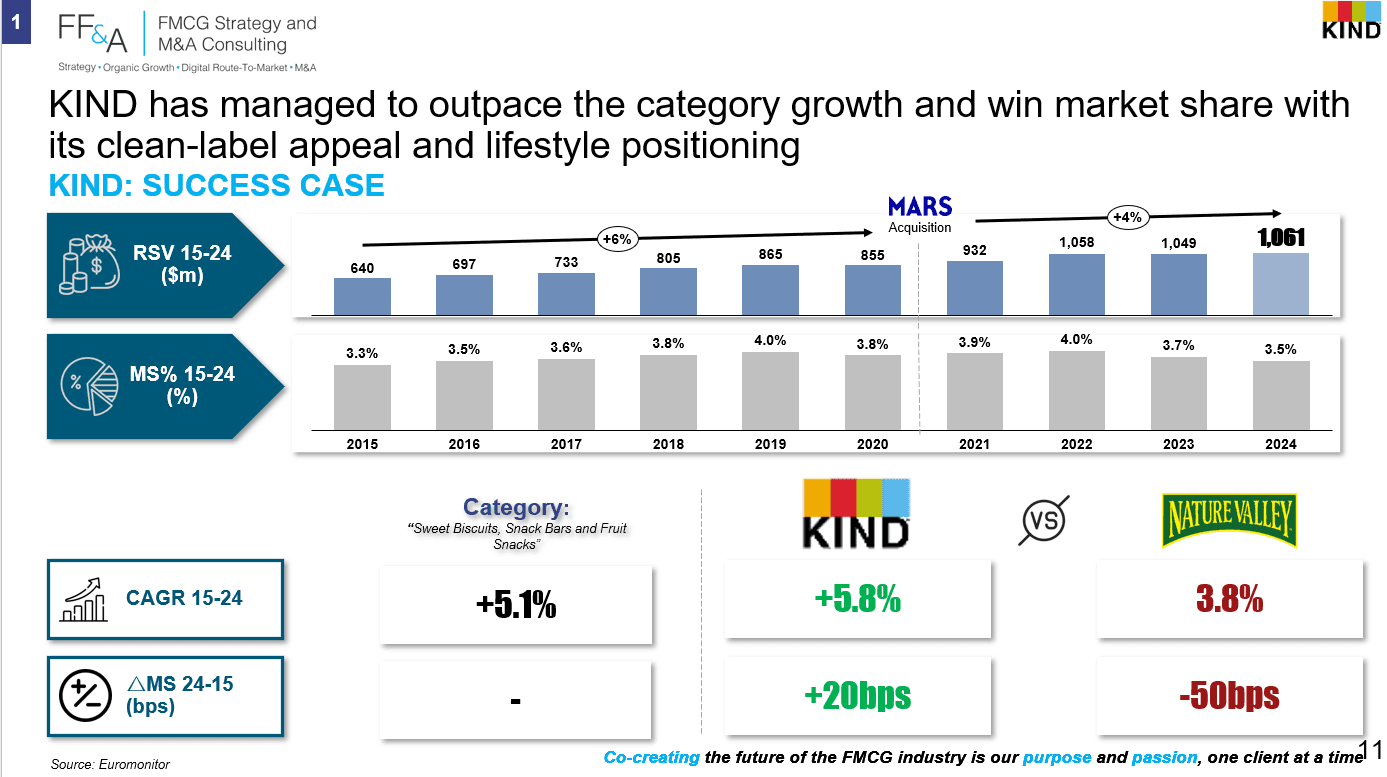
Created in 2004, acquired by Mars for $5bn in 2020 & reached $1.2bn RSV in the US in 2024
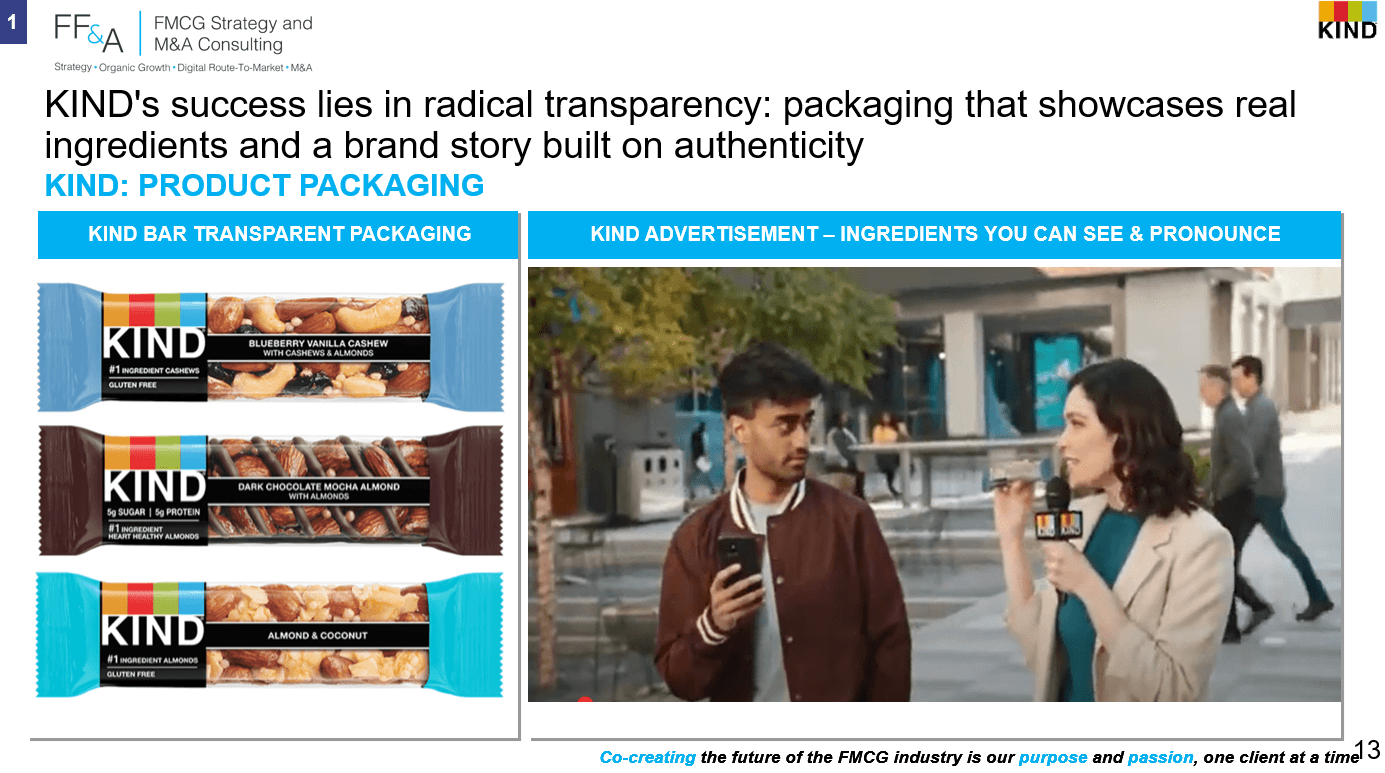
Disrupted the traditional chocolate bar category with the first-generation better-for-you offering (transparent packaging, ingredients you can see & you can pronounce) that looks healthier & tastier at an affordable price premium
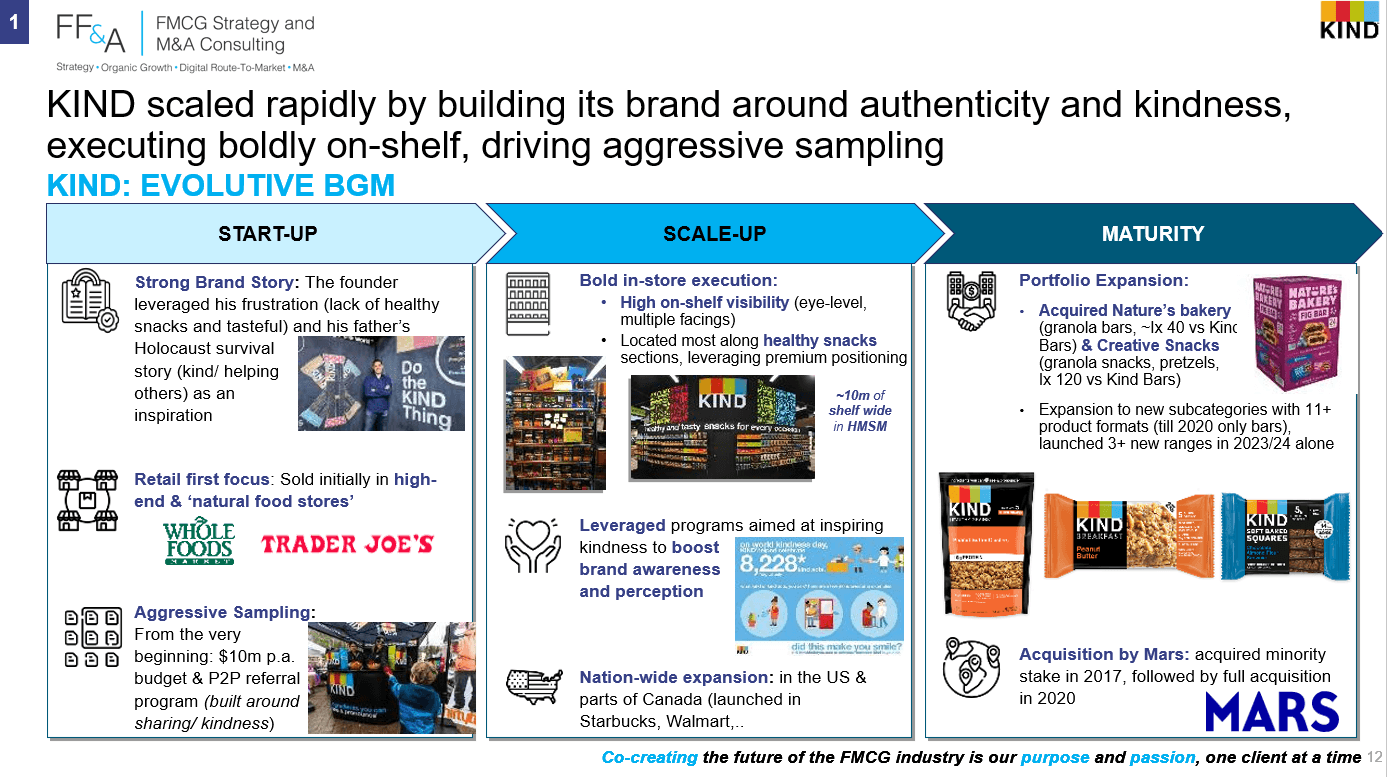
Started with a strong purpose/ founder (Daniel Lubetzky) story (the power of kindness) and brought to life by a powerful promotion tactic (sampling & consumers gifting)
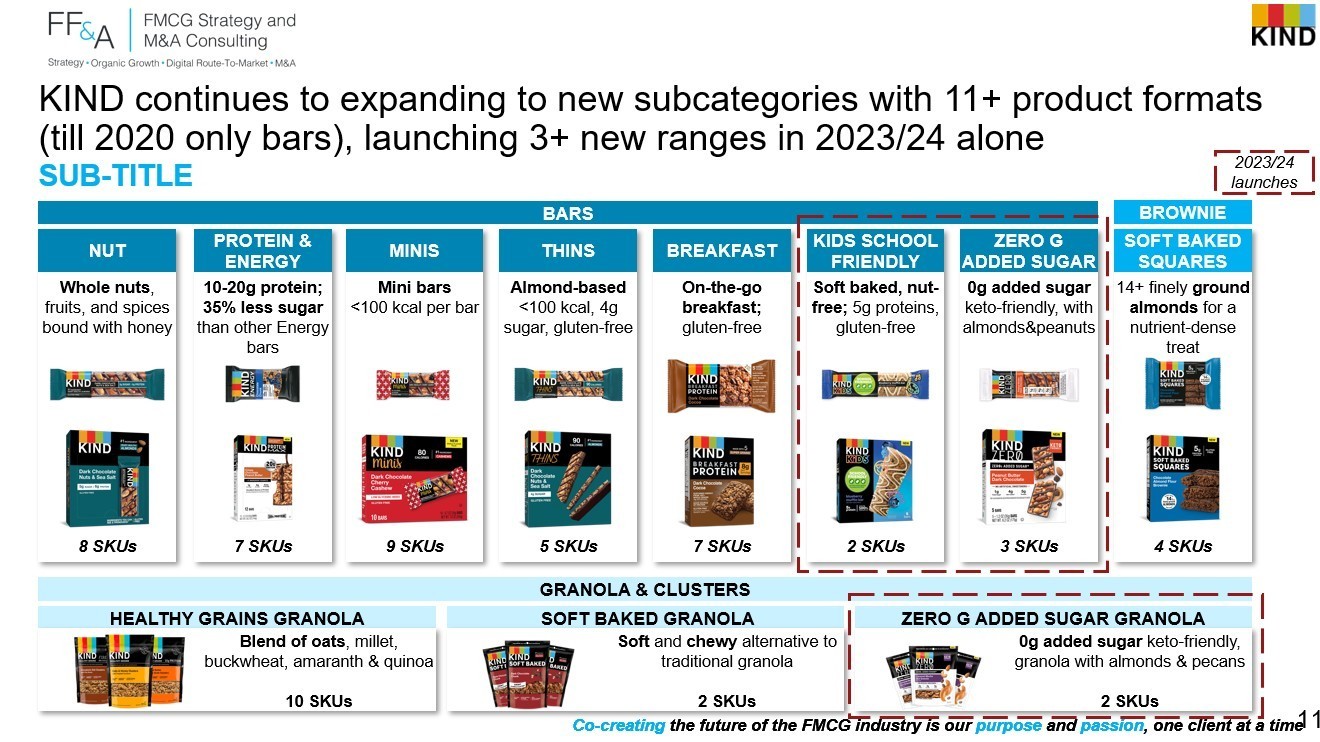
Scaled-up with an impressive occasion-based SKUs proliferation to maximize shelf space & consumers share of stomach
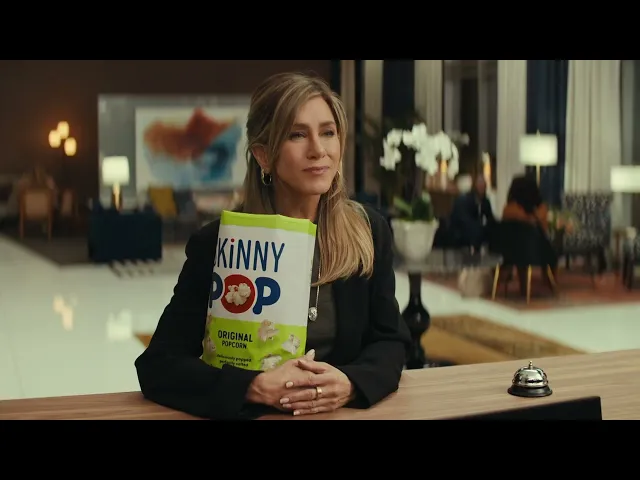
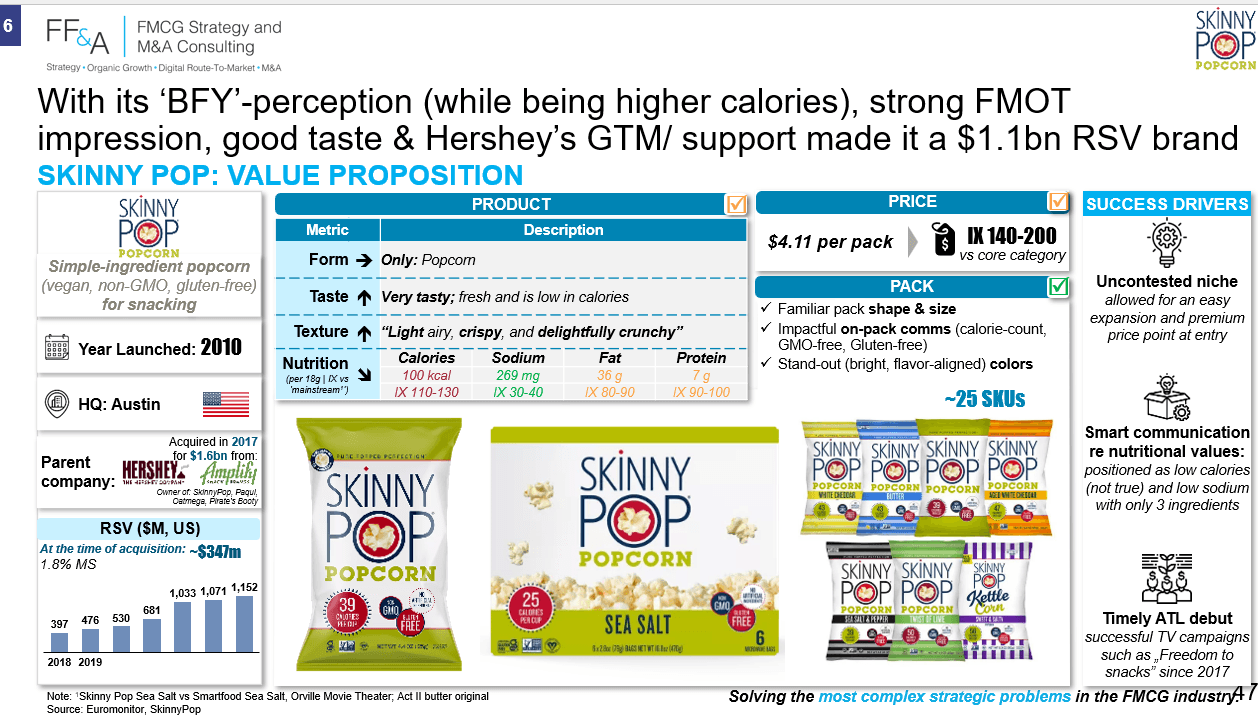
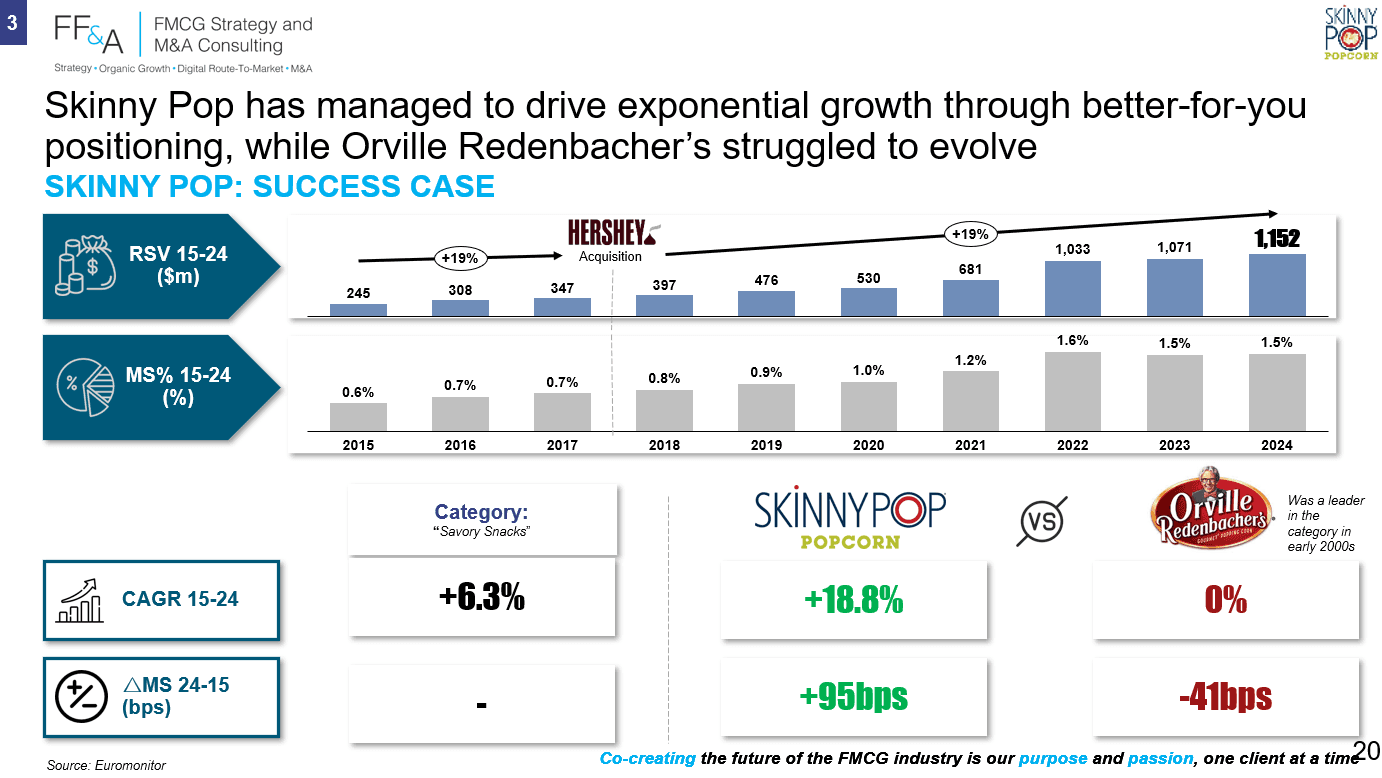
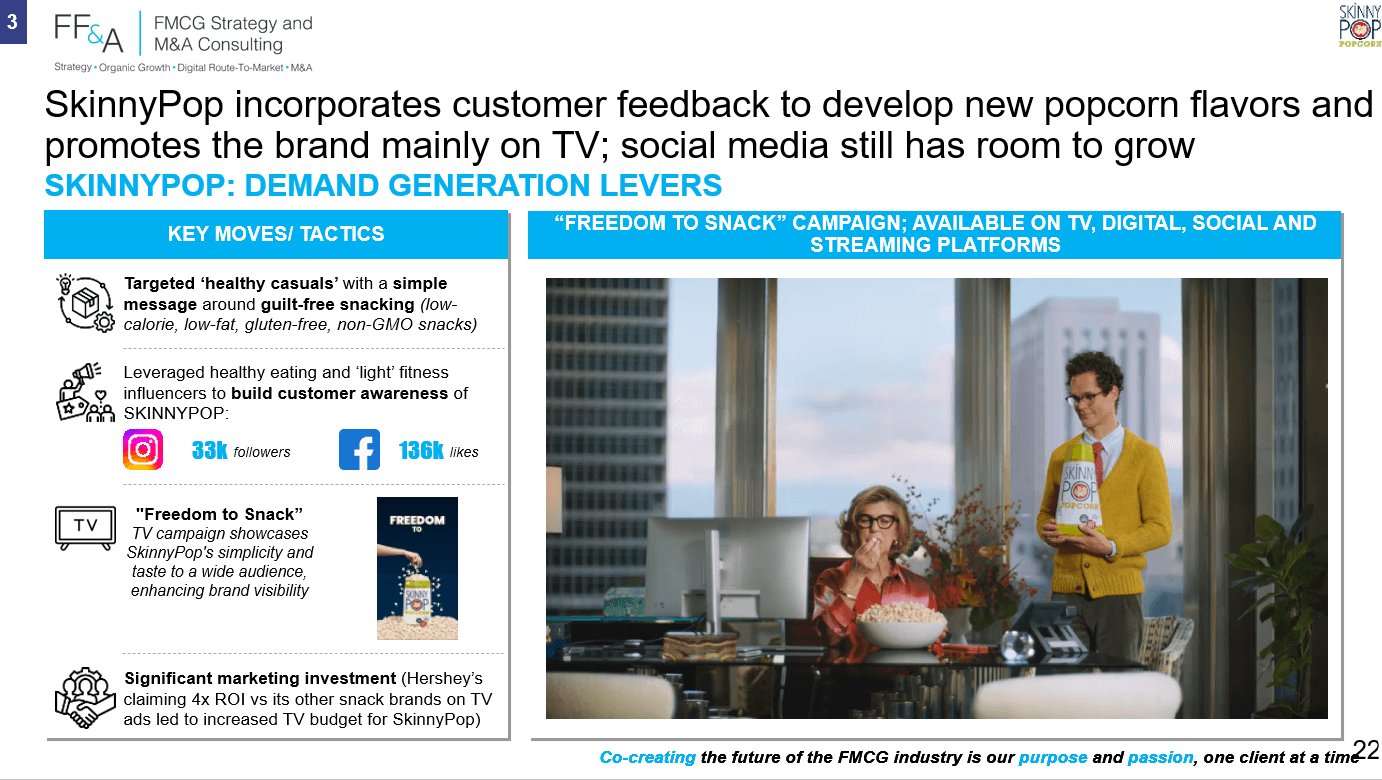
9) Key message #9: Skinny Pop is a marketing miracle. ‘BFY’-perception (while being higher in calories), good taste, strong first-moment-of-truth impression & Hershey’s GTM/ support made it a $ 1.1bn RSV brand
•Better-for-you does not always have to be healthier, that’s maybe the key learning of this case with calories/ fat over
•Great health perception (3 simple ingredients: corn, salt, oil), great taste, premium price (index 140-20 vs. category average), stand-out packaging & catchy marketing made it one of the most successful snack case in the recent history
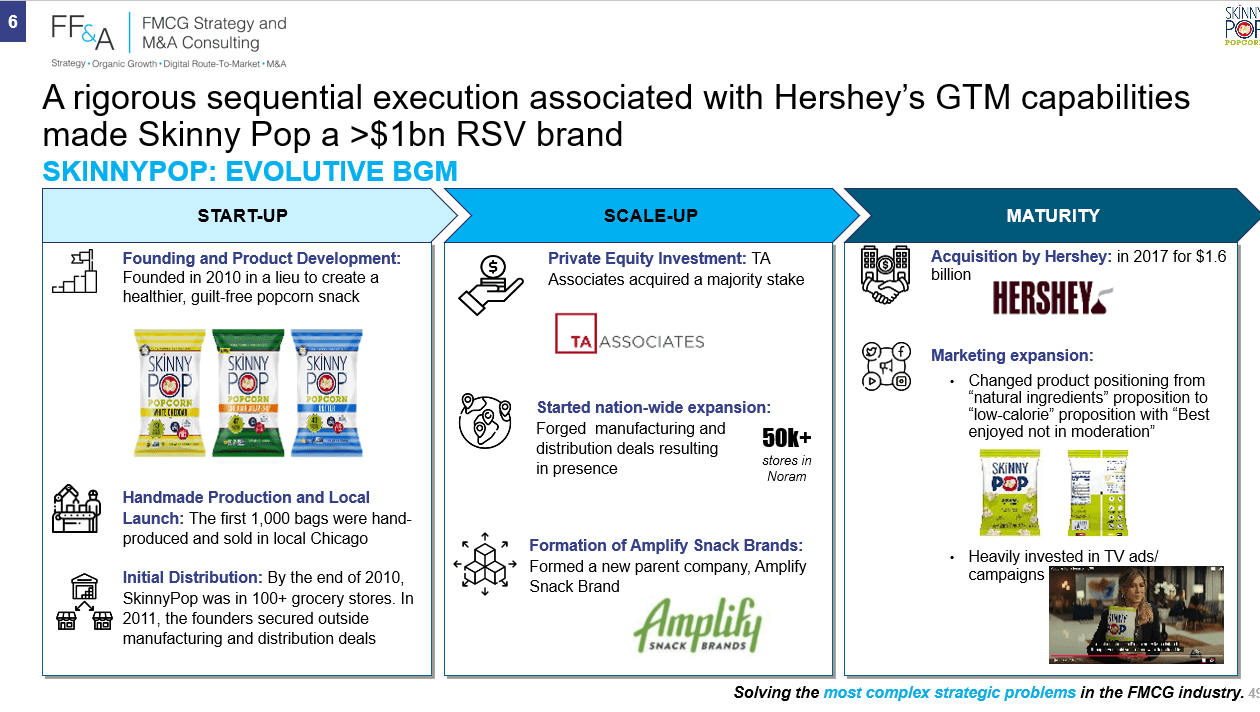
Acquired by Hershey in 2017 ($350m RSV then) that then more than tripled its RSV to $1.2bn in 20241
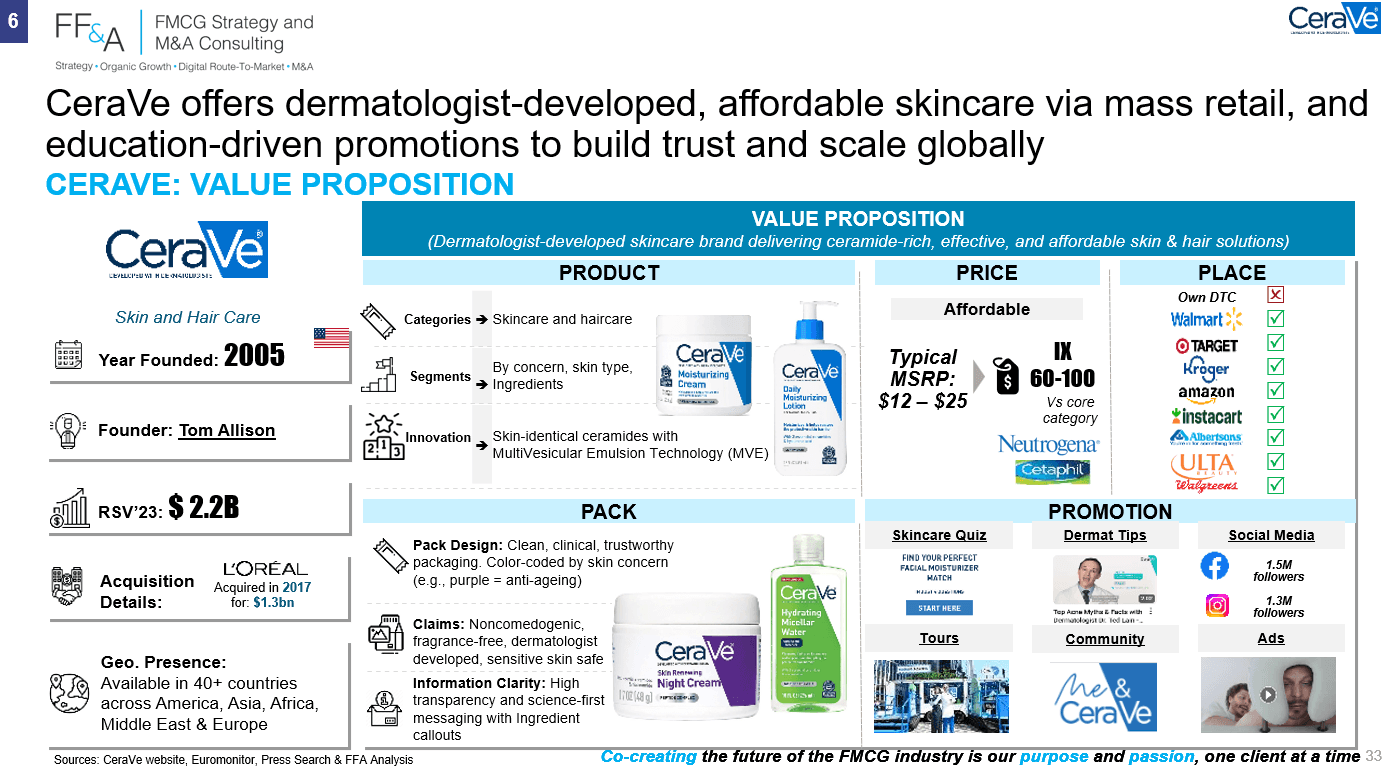
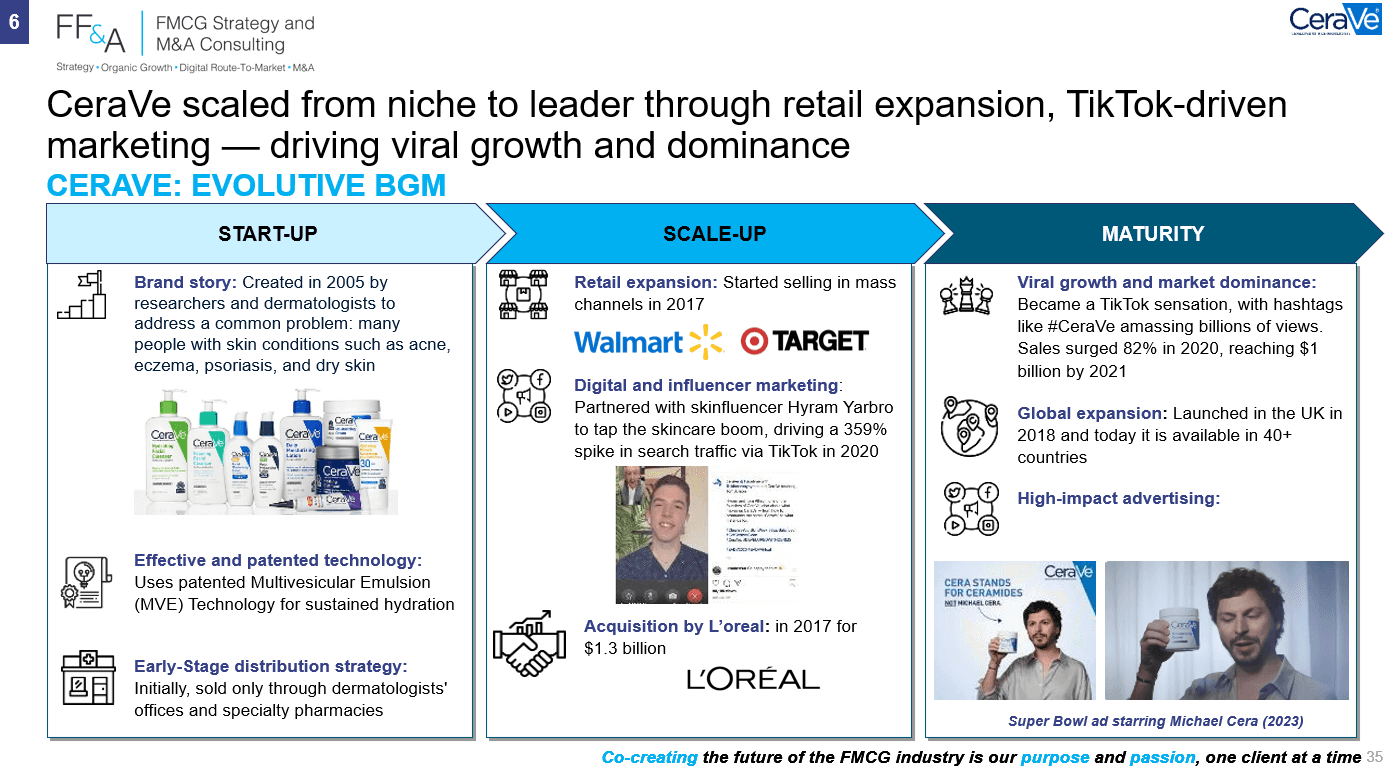
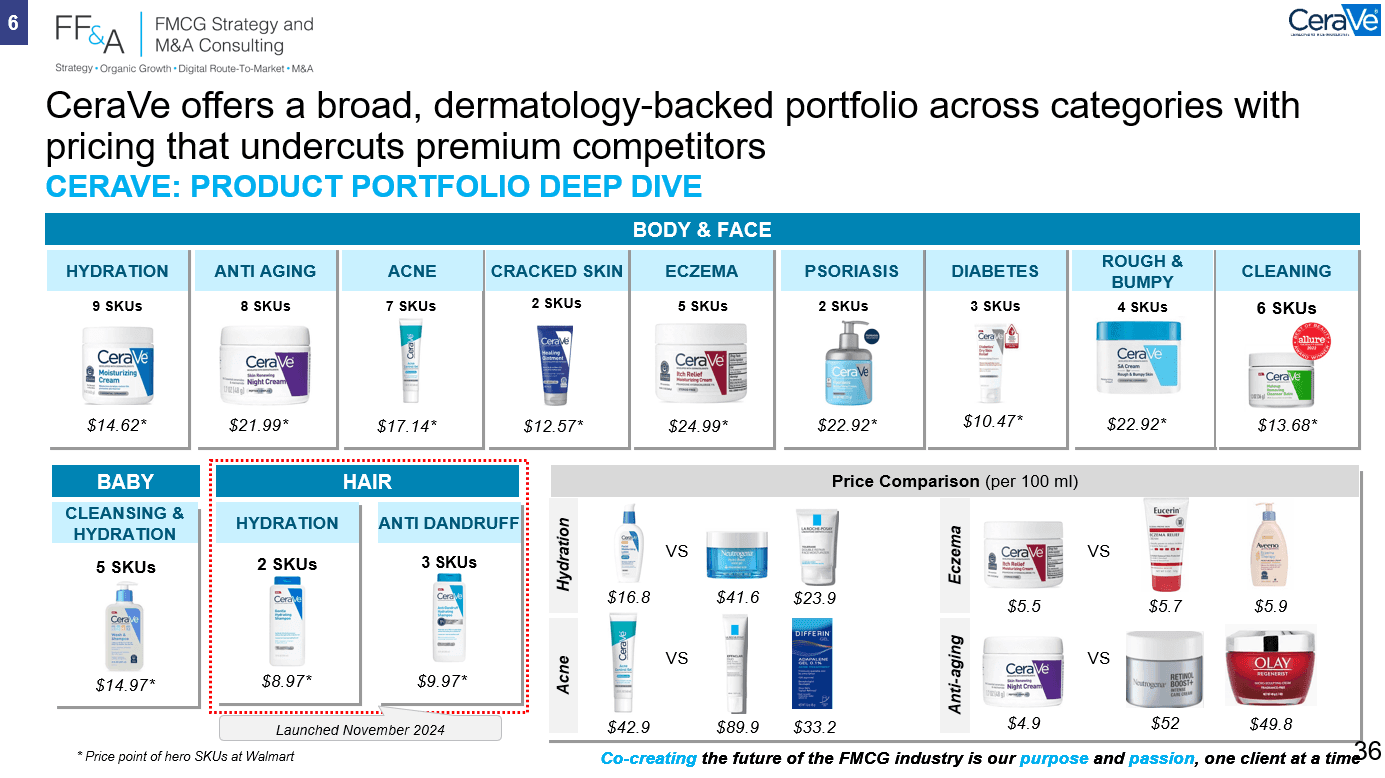
Key message #10: CeraVe: probably the highest ROCE acquisition in the FMCG history
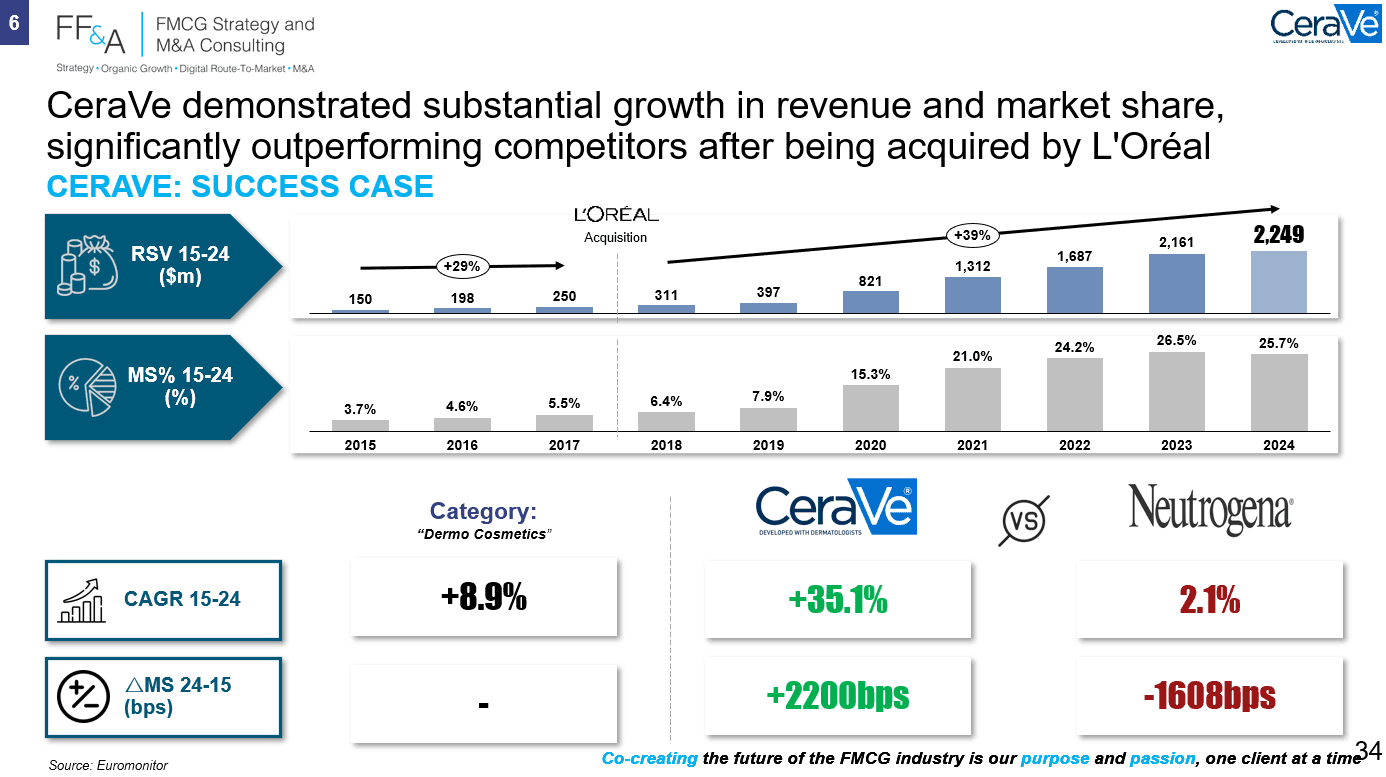
Created in 2005, acquired by L’Oréal in 2017 for $1.1bn ($250m RSV at the time)
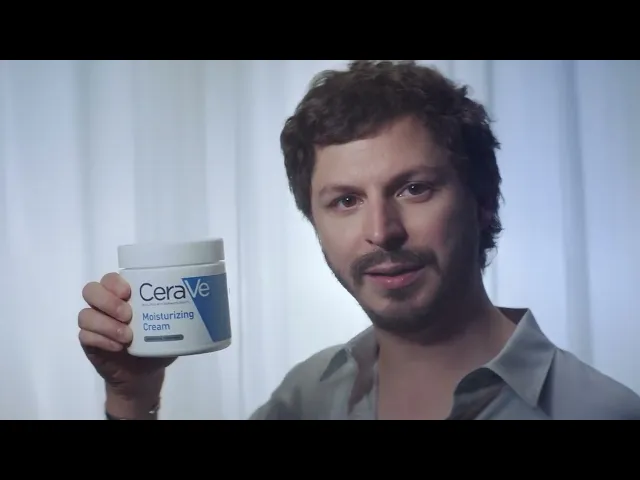
Led the affordable dermo-cosmetic tsunami through SKU proliferation/ omnichannel scale-up/ marketing tune-up (incl. a memorable Super Bowl ad) & reached $2.2bn RSV in the US only (>$4bn RSV globally)
Became then the acquisition with the best ROCE in the FMCG industry since 2000 (among the top 50 FMCG companies)
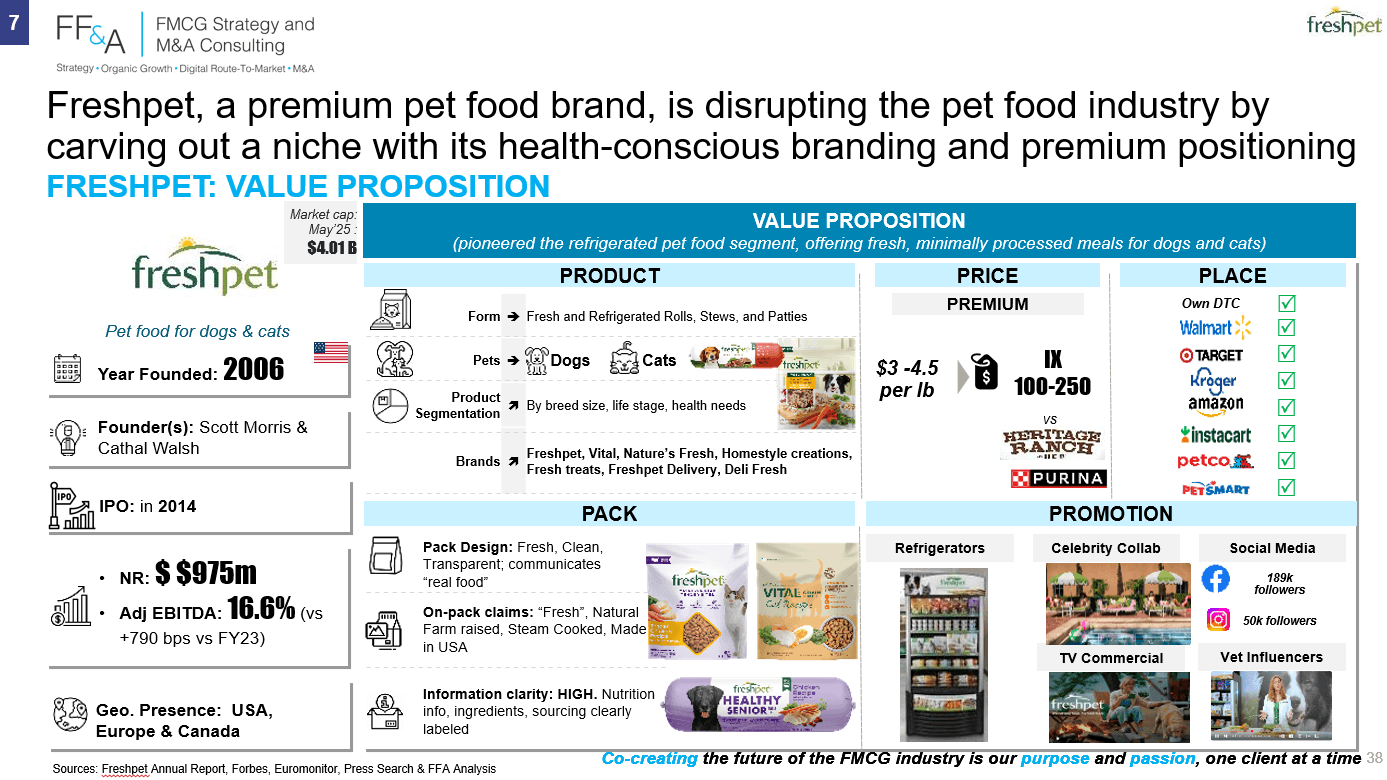
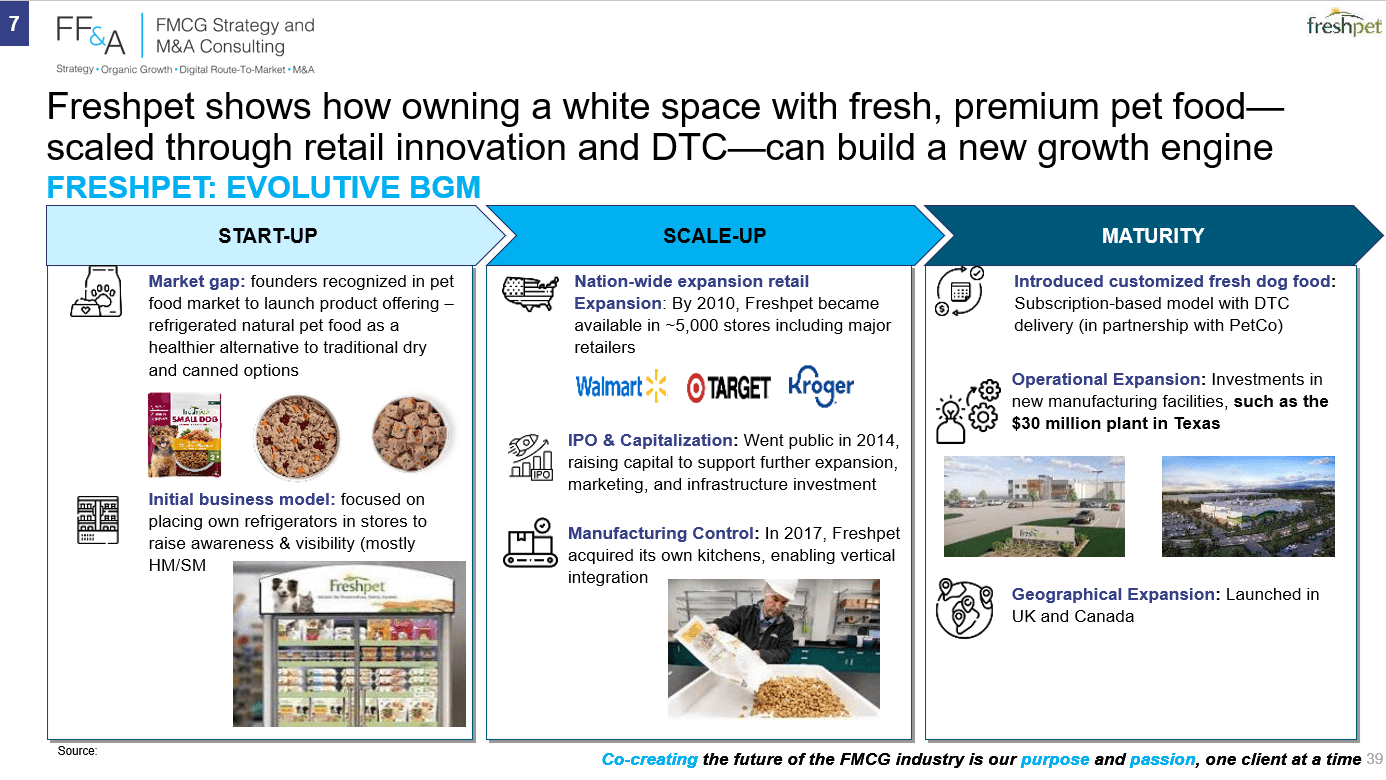
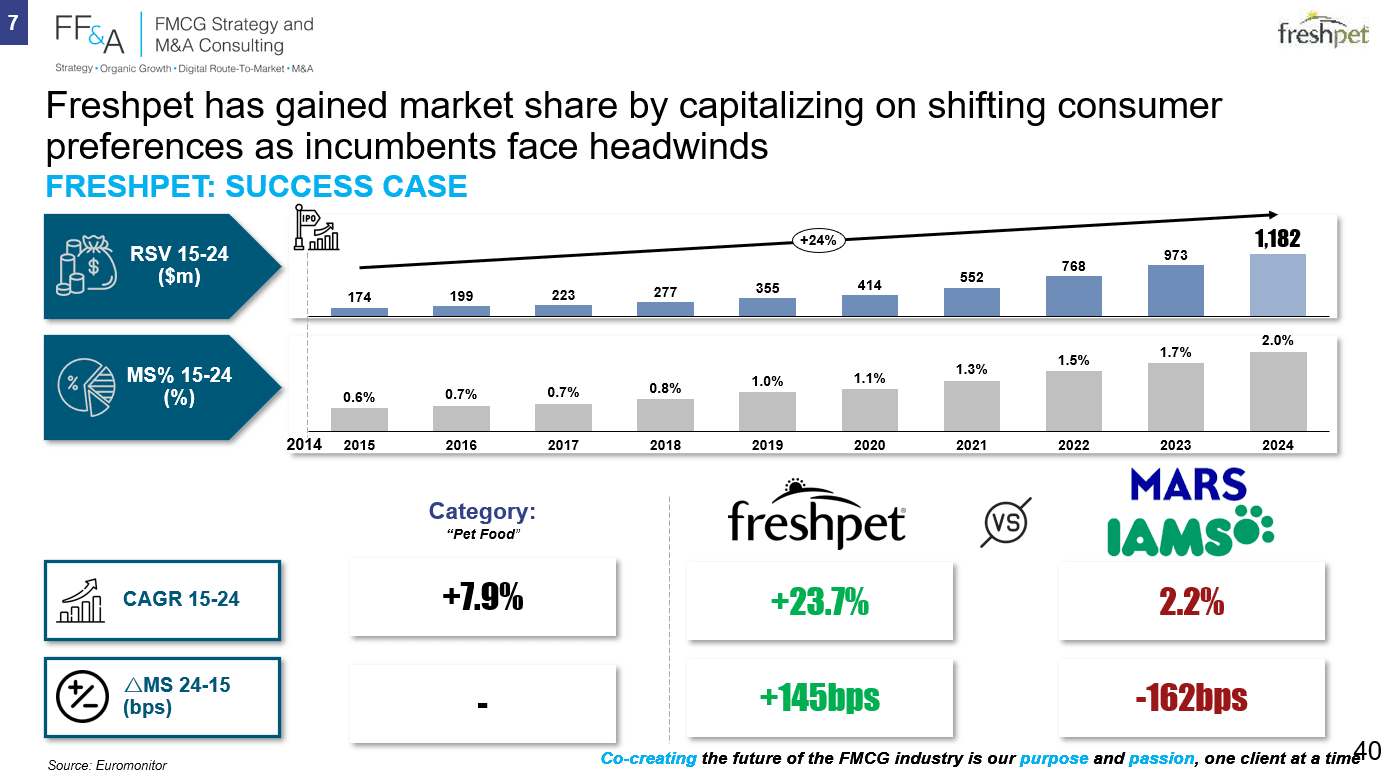
Key message #11: FreshPet: pioneering fresh pet food to reach $1.2bn RSV in 2024
Premium-priced (ix 200 vs. advanced nutrition brands) fresh frozen food displayed in-store in its own branded refrigerators
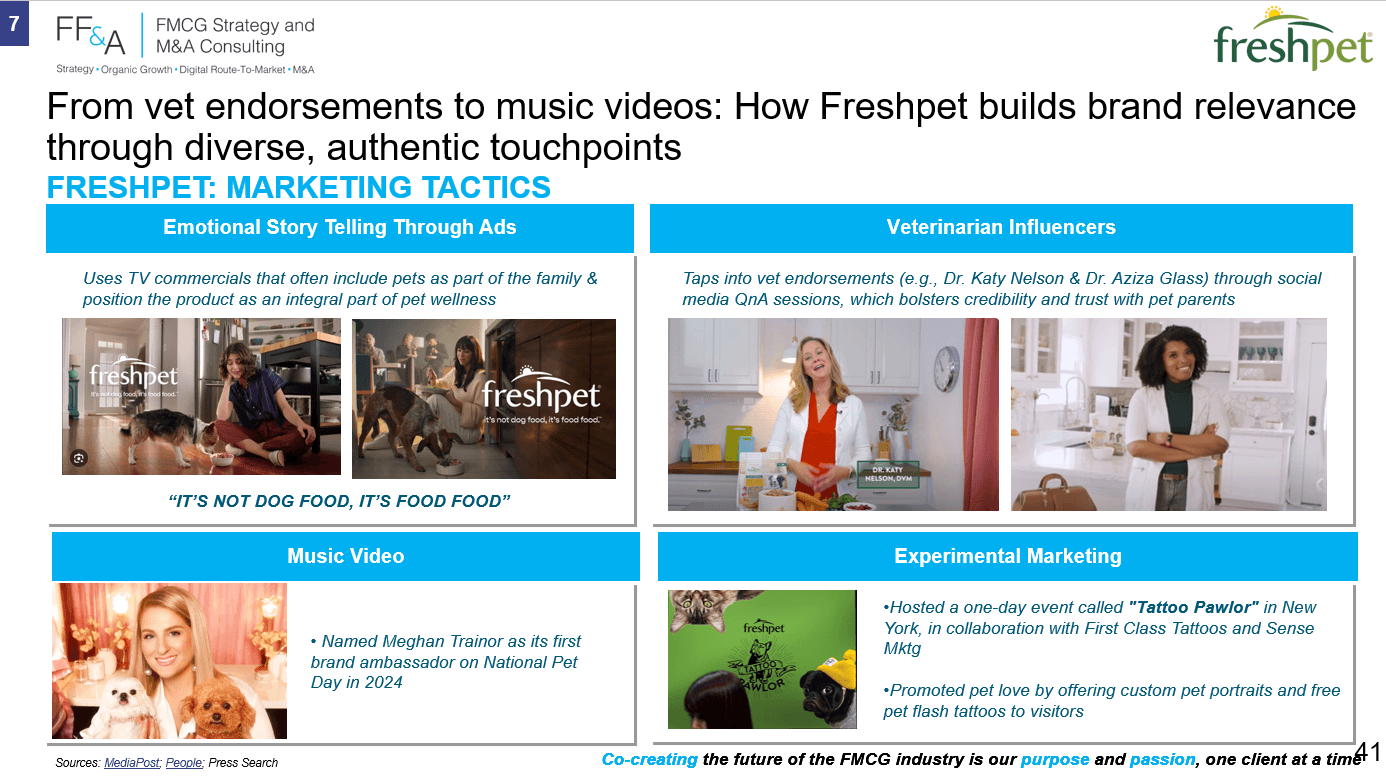
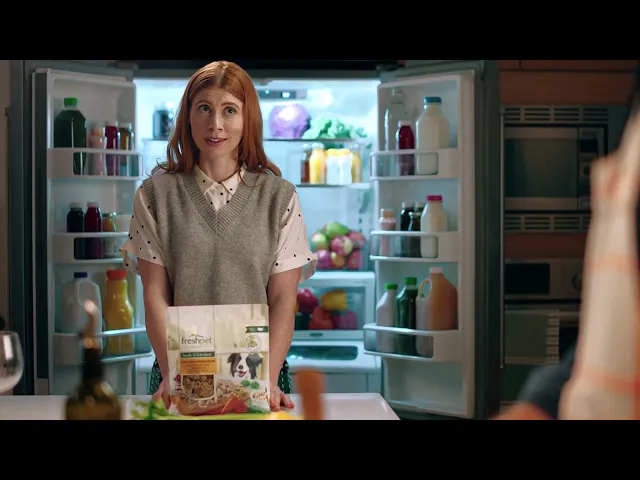
Surfing on the pet food humanization trend with their brilliant marketing campaigns ‘it’s food food’ addressing key consumer barriers/drivers
IPOed in 2014, with a market cap now of ~$3.5bn
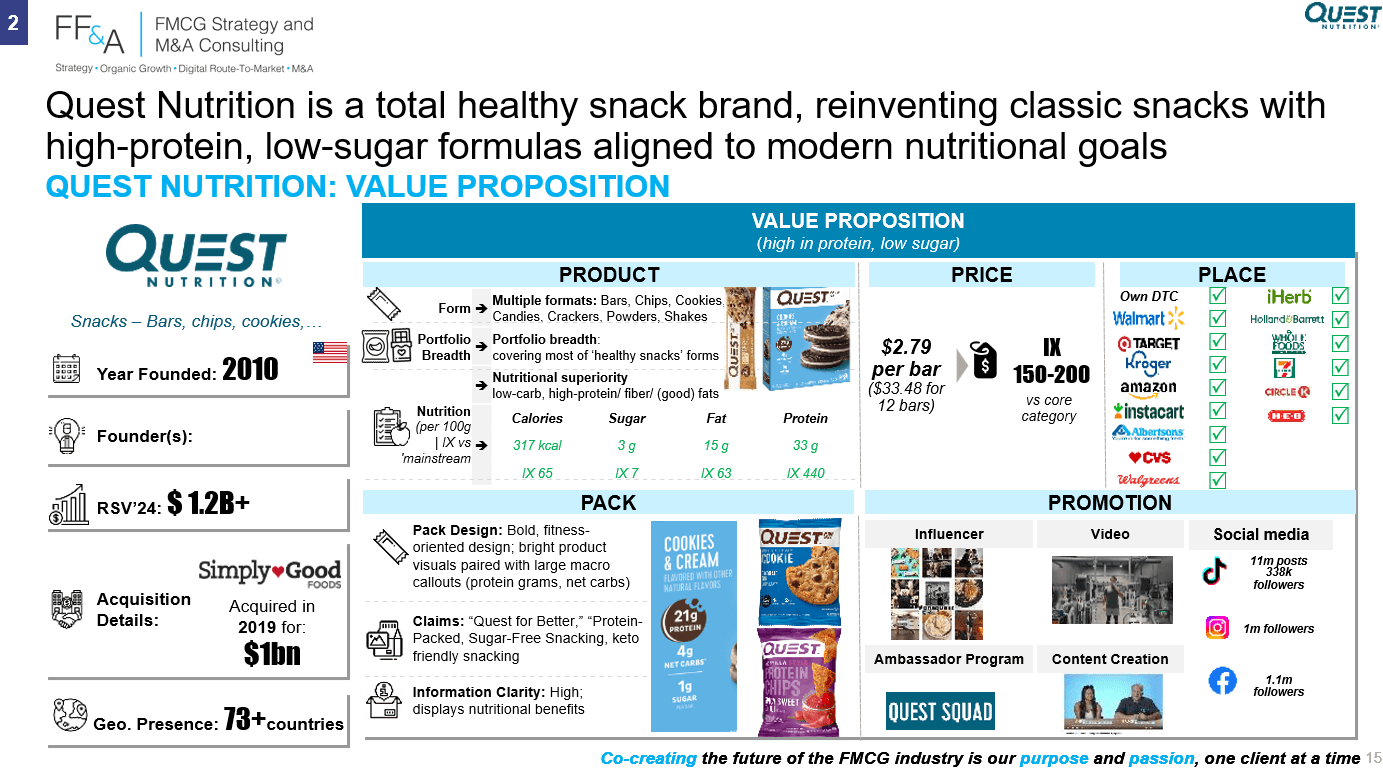
Key message #12: QUEST – the multi-category snack brand that reinvented snack icons with its clean formula (high protein, low sugar/ fat)
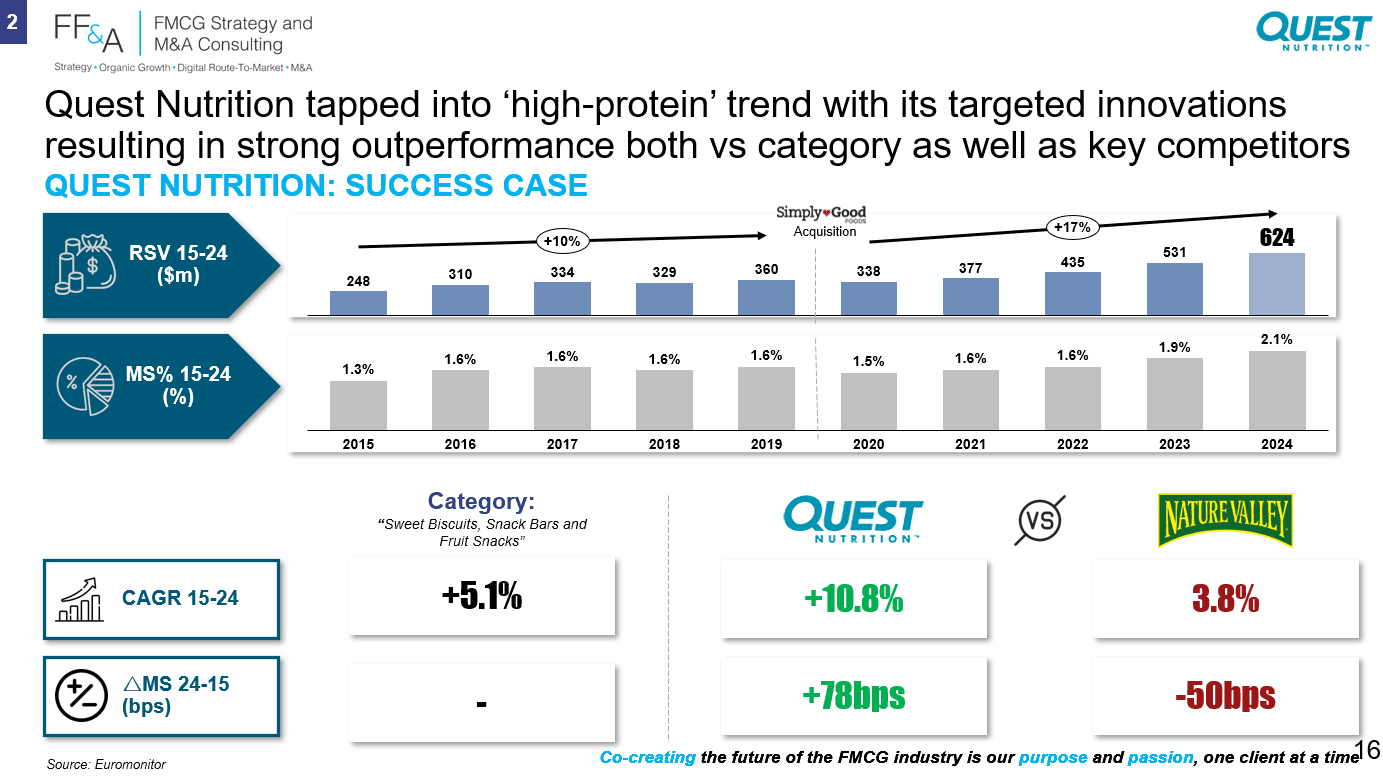
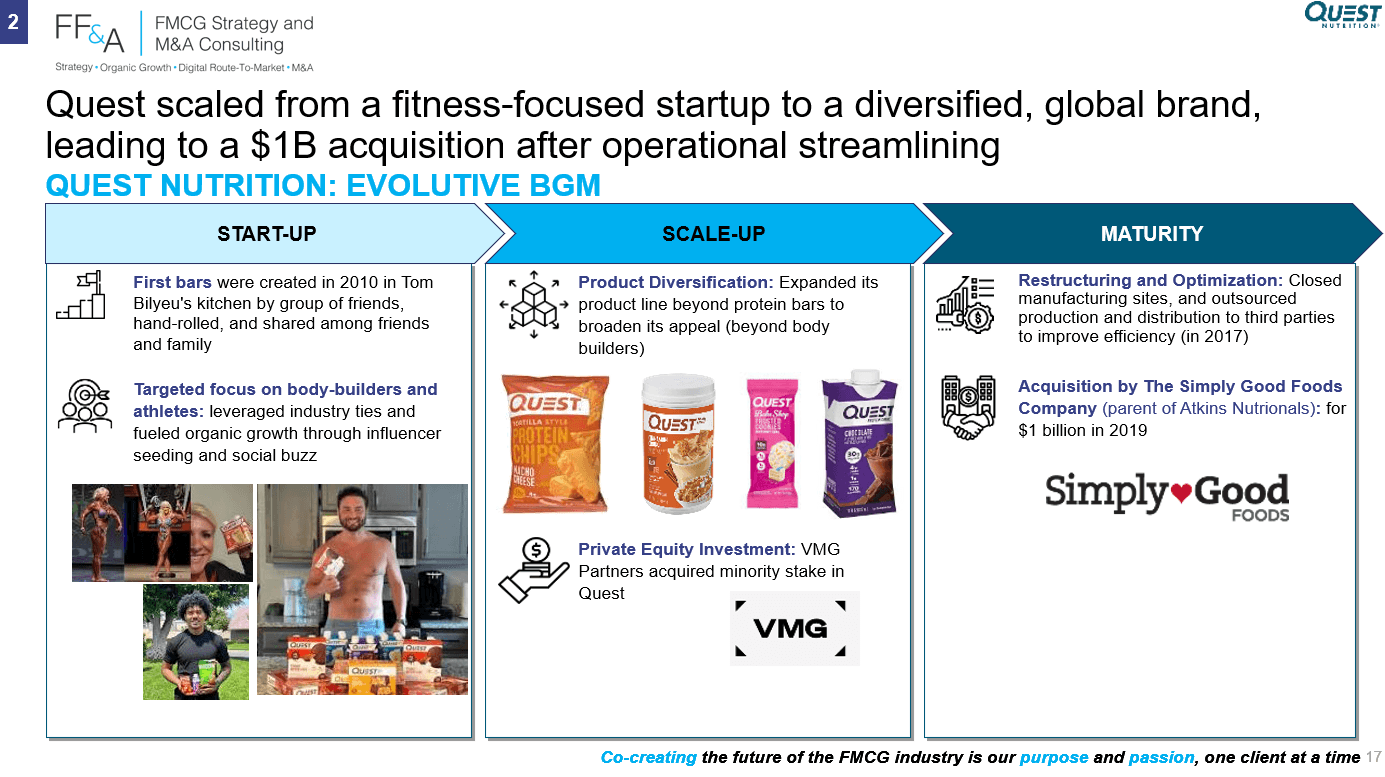
Created in 2010, acquired in 2019 by Simply Good for $1bn when it reached $360m RSV
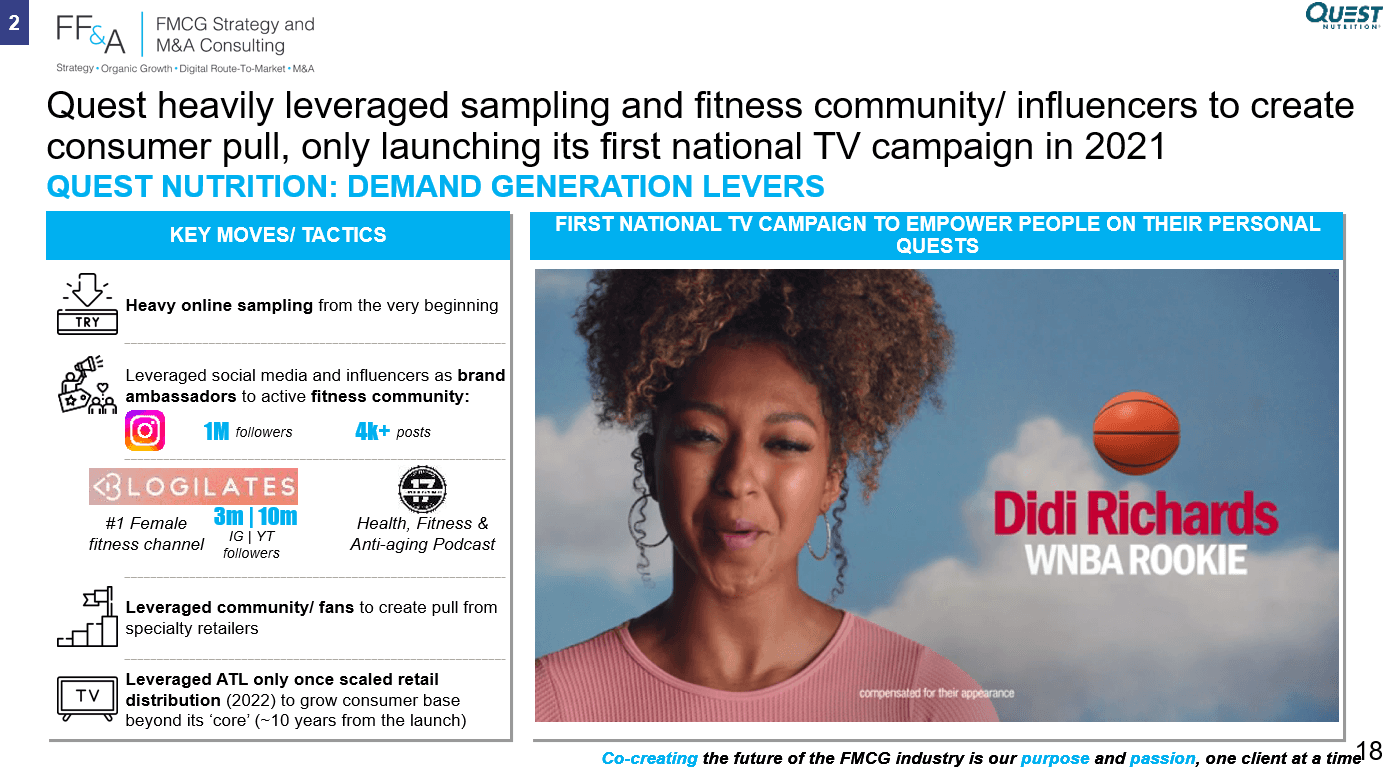
Loved how it leveraged existing mental/ taste structure (like Oreo/ Chips Ahoy taste/ packaging) to pick up consumers where they were & drive trials
Exceeded the $600m RSV in 2024 but did not meet the same success as KIND mostly because of their RSP (x2 at ~$3) & maybe also because of weaker GTM capabilities (esp. on fragmented channels) owing to Mars unique capabilities
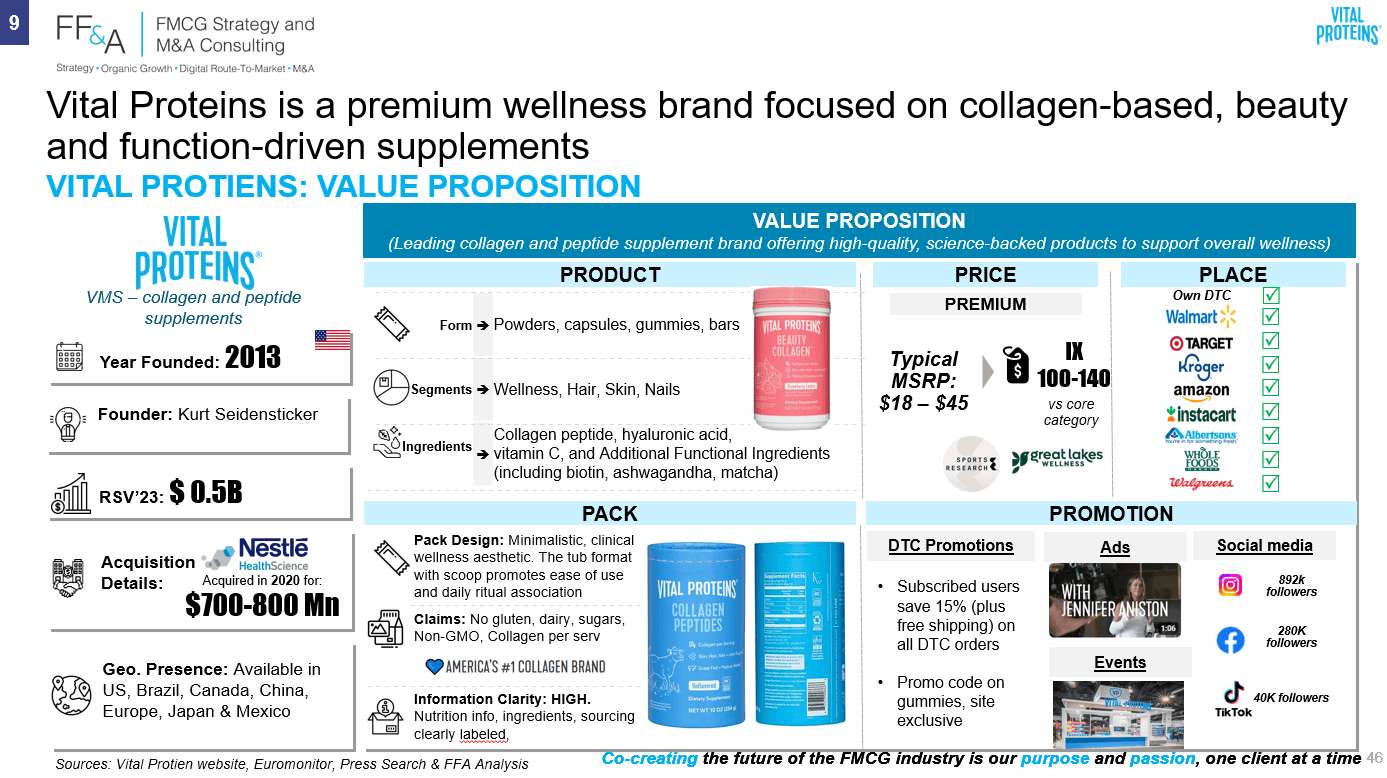
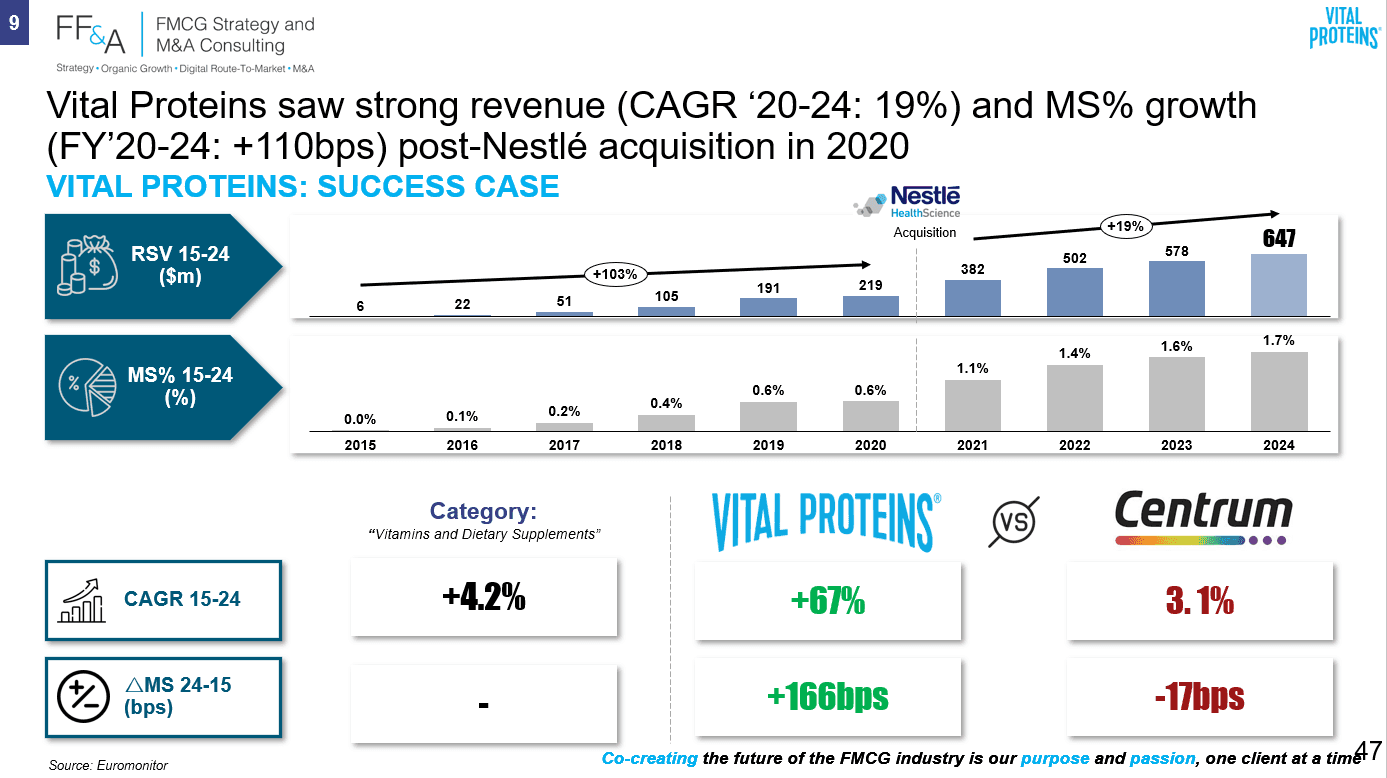
Key message #13: Vital Proteins: the collagen/ peptide pioneer acquired by Nestlé that reached $650m RSV in the US in 2024
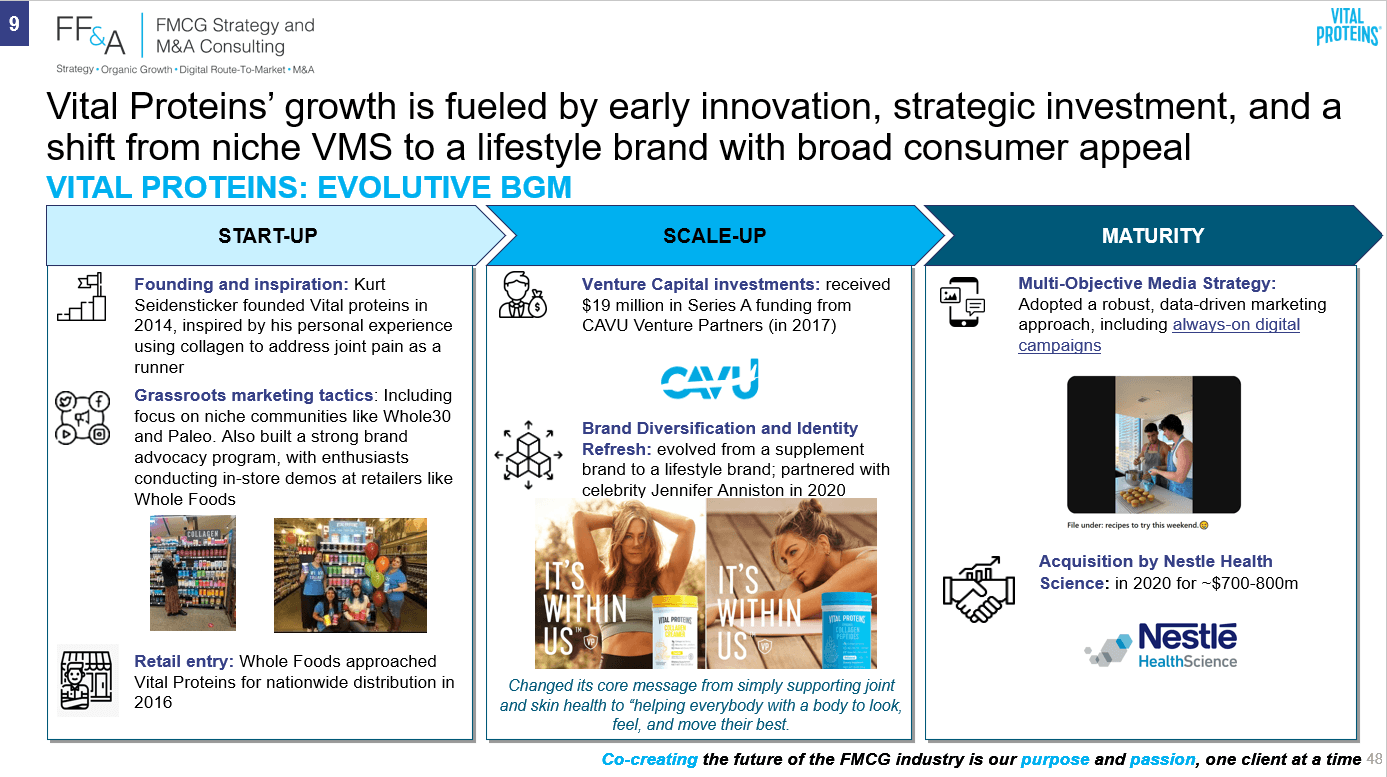
Founded in 2013, pioneered collagen/ peptide premium VMS
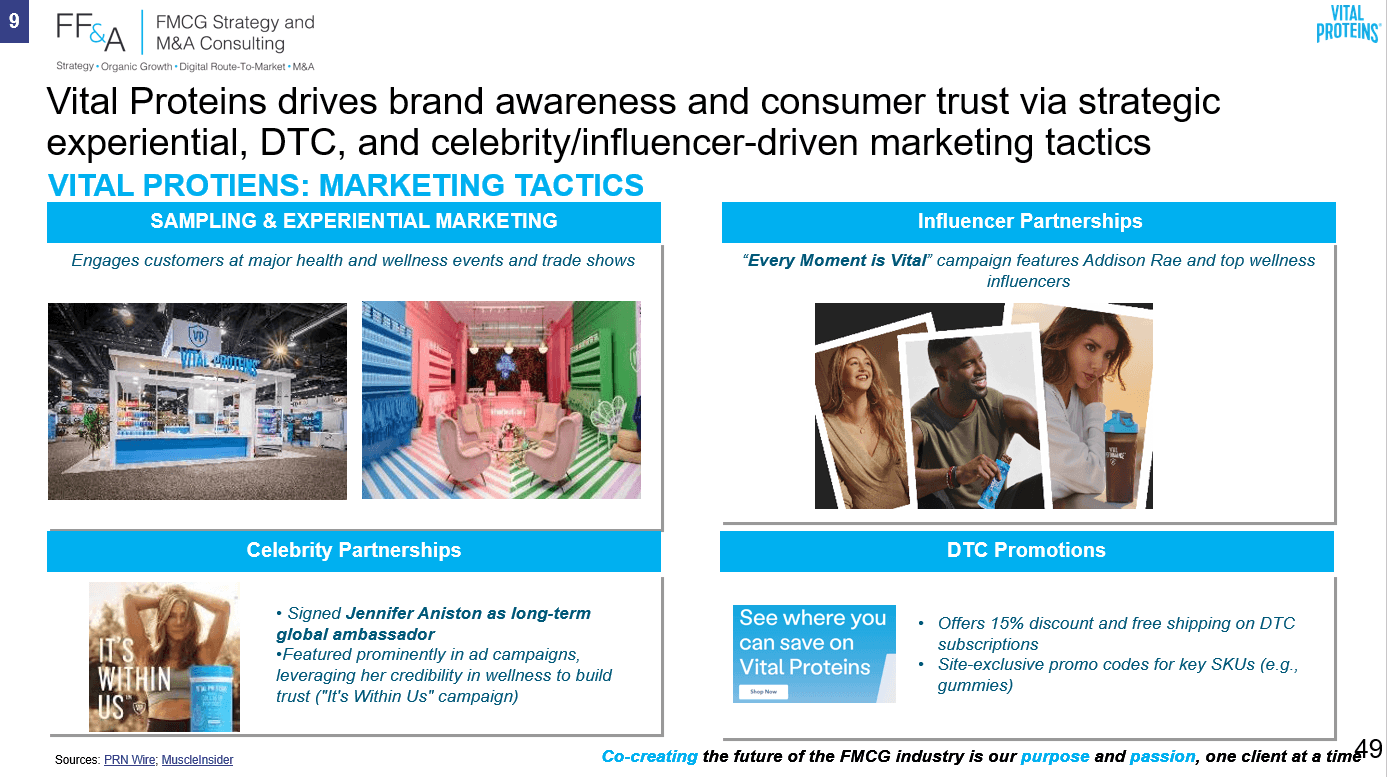
Affordable premium price, started in selective distribution with in-store demo & through fans communities, scaled-up through celebrities partnerships
Iconic electric blue packaging standing out in store
Extensive omnichannel distribution & occasion/ format-based SKU proliferation
Acquired by Nestlé in 2020 (at $360m RSV, >x2 RSV since then)
Bringing it all together:
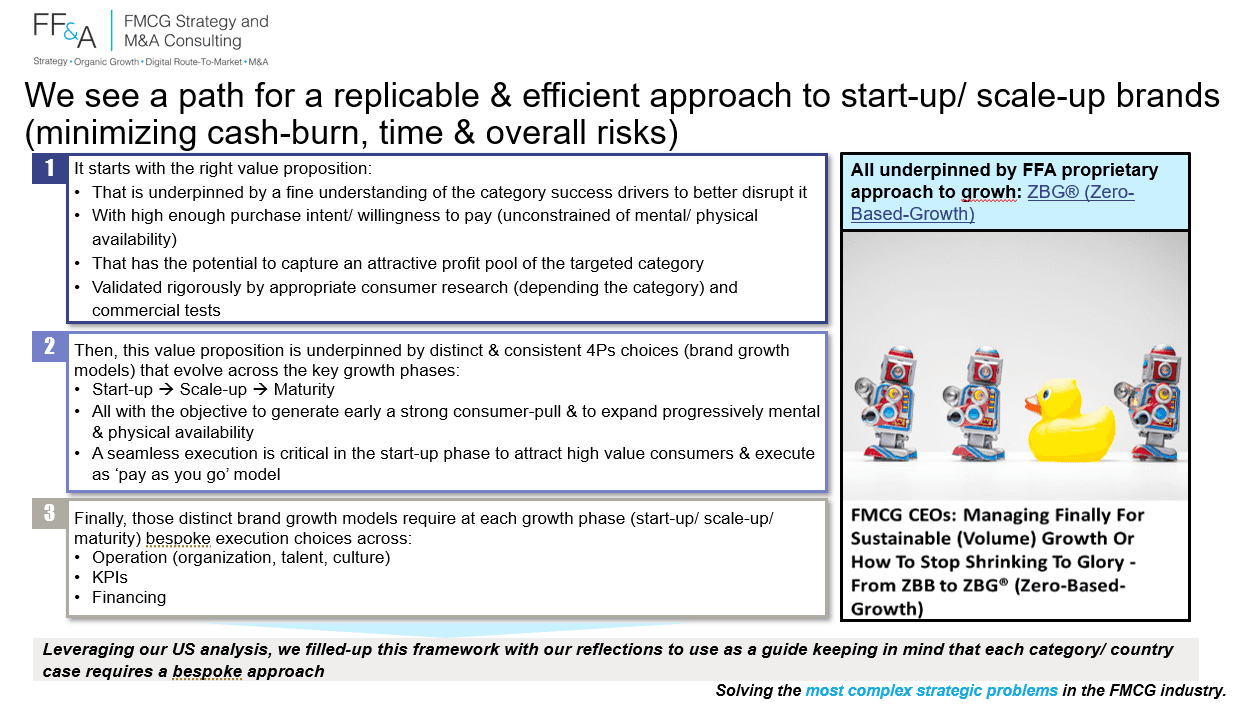
If on average the odds are minimal to successfully start-up/ scale-up brands, we see a path for a replicable & efficient approach to start-up/ scale-up brands (minimizing cash-burn, time & overall risks) through:
- First, identifying a highly differentiated value proposition addressing unmet needs with high purchase intent/ willingness to pay with significant profit pool capture potential, all validated by rigorous consumer research/ small-scale commercial tests
- Then, determining sequential brand growth model/ 4Ps choices to first create consumer pull & then expand progressively physical/ mental availability with distinct choices across start-up/ scale-up/ maturity phases
- Finally, adopting execution choices (supply chain, organization, talent, culture...) consistent with each growth phase
If priorities remain for the world largest FMCG companies to accelerate growth on their billionaire brands, they need to master the above playbook to maximize value creation on their smaller brands. The value at stake (>$100bn B/S at acquisition value) justifies it
As Warren Buffet used to say: “Risk comes from not knowing what you’re doing”
Exciting times
Frederic, Julia + the whole FF&A Team
Get in touch:
To join the >57,000 FMCG executives that follow Frederic on LinkedIn, please click here. To start a conversation, email at: frederic@fredericfernandezassociates.com
To participate to the Growth FMCG CEO podcast, email at: frederic@fredericfernandezassociates.com
To join the >34,000 FMCG executives that receive our newsletter and all our CEOs Insights, sign-up at the following link: FMCG CEOs - Managing For Growth
To read all our previous publications, visit our newsletter page: FMCG CEOs - Managing For Growth
About FF&A:
FF&A solves the most complex strategic problems of the world largest FMCG companies across Corporate Strategy, Organic Growth, Digital RTM (Ecommerce, DTC and EB2B) and M&A. 14 out of the world 20 largest FMCG companies are repeat Clients
FF&A team intervenes all across the globe and across all FMCG categories. To know more, please visit our website:
www.fredericfernandezassociates.com
Disclaimers:
No FF&A employees own any stocks or financial instruments of any FMCG companies
Enjoyed this article?

FMCG CEOs: Managing For Growth
Strategic insights for FMCG/ CPG CEOs